
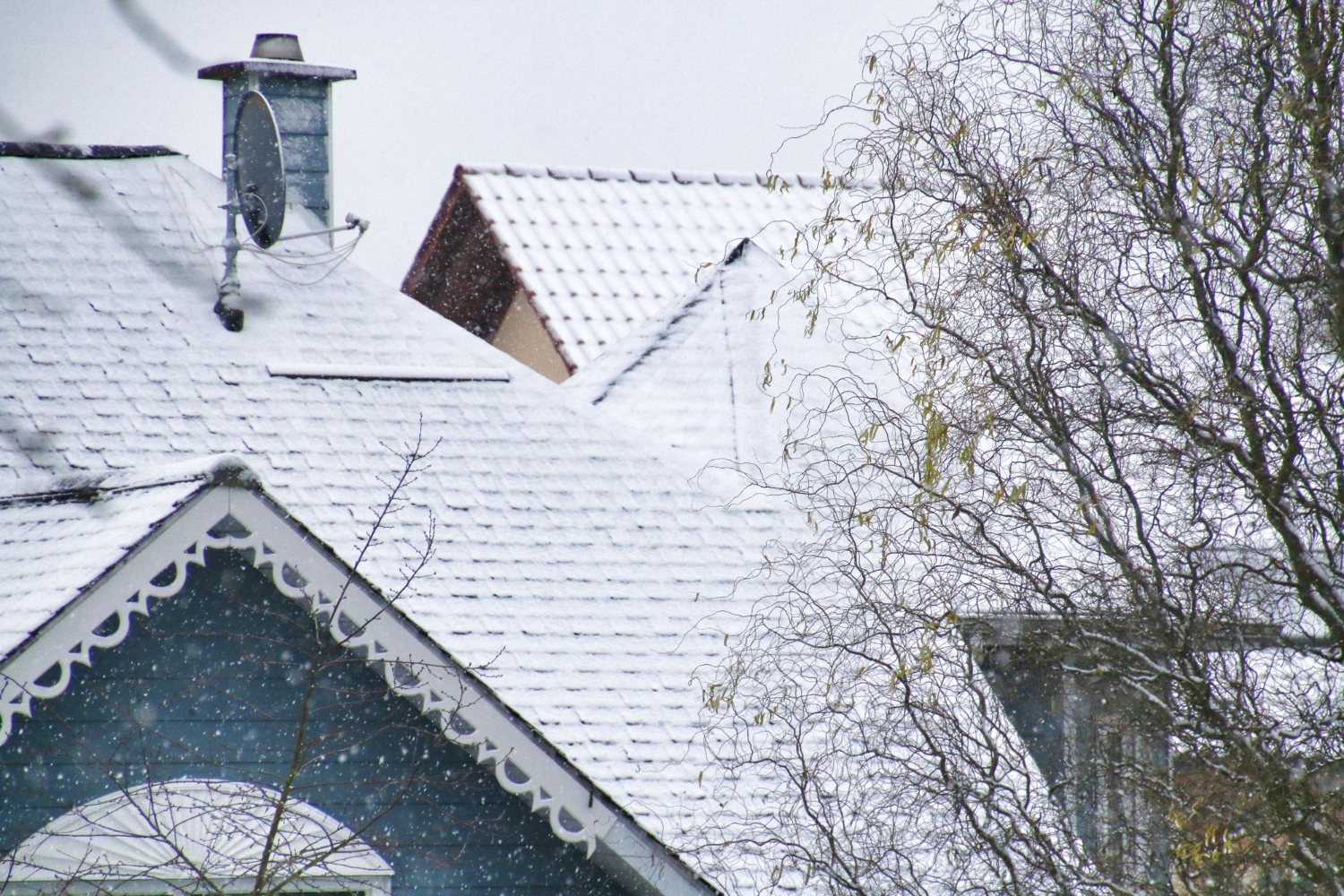
When winter hits Rapid City, the damage it leaves behind can be a lot more serious than a few missing shingles. Snow doesn’t fall quietly for long. Strong winds rip through neighborhoods, turning small roof problems into much bigger ones. Many homeowners expect to lose some shingles during a storm, but those aren’t the only issues to worry about.
Wind damage often runs deeper than what’s visible from the street. While missing shingles are easy to spot and fix, wind can affect your roof in sneaky ways. That’s why it’s important to look at the bigger picture. Even if your roof looks fine from below, it might still have issues that need real attention before winter weather makes things worse.
Types Of Winter Wind Damage On Roofs
Winter storms in Rapid City are more than just cold. Winds can tear through with enough force to shift even the strongest materials. And when your roof is up against that, there’s more to watch for than just shingles flying away.
Here are some common types of wind damage we see during winter months:
– Lifted or bent metal panels: If the wind catches the edges of your roof, it can lift panels up just slightly. That small gap might not seem like much, but it’s enough to let in moisture and cold air.
– Loose flashing: Flashing is the thin metal found around your chimney or where walls meet the roof. When it comes loose, it can’t do its job of keeping water out.
– Shifted seams: Strong wind can push along the seams of a metal roof, which opens tiny paths for water, especially when snow begins to melt.
– Debris impact: Flying tree limbs, branches, or even stray trash cans can crash into your roof at high speeds. Dents and punctures from debris are a problem you won’t want to take lightly.
Many homeowners miss these signs at first. You might walk outside, look up, and think everything made it through the storm just fine. But these smaller issues can quickly turn into leaks, rust, or worse if left alone. Missing shingles might be an obvious sign, but other damage can keep growing under the surface.
The Role Of Hidden Damage: What You Can’t See Can Hurt You
Sometimes, winter wind doesn’t leave behind clear clues. Just because you don’t see damage doesn’t mean everything is okay. In fact, some of the worst problems are the ones hiding under the surface.
When wind pushes parts of your roof out of place, even slightly, it opens the door for water. Melted snow or ice starts to seep in. At first, you might not even notice. Everything seems fine, no leaks, no puddles. But over time, a minor gap can lead to real trouble.
Here’s how hidden wind damage can hurt your home:
– Damp spots inside walls or ceilings that go unnoticed for weeks
– Mold or mildew growth, especially in corners or crawl spaces near the roof
– Insulation that gets wet and no longer keeps out the cold
– Higher heating bills as warm air sneaks out and cold air finds a way in
Imagine thinking your home is sealed up tight for winter, only to find out months later there’s mold behind a wall or rising energy costs due to lost heat. That’s the risk of hidden roof damage. You don’t need a huge hole in your roof for it to cause serious problems.
The best way to stay ahead of these issues is to have your roof looked over by a professional. A trained eye can spot problems you’d likely miss. Especially in areas like Rapid City, where winter doesn’t take breaks, catching and fixing damage early matters more than you think.
Why Quick Repairs Are Key in Winter
Winter doesn’t wait for repairs. Once wind damage starts, even if it looks small, the problem can grow fast. Cold air, snow, and ice can sneak in through gaps, and before long, a minor issue becomes a much bigger one.
Snow piles up on damaged sections of a roof, putting more pressure on already weakened areas. If edges or panels have shifted even slightly, heavy snow can make them worse. As temperatures rise and fall, melted snow turns to water, then refreezes overnight. This constant change causes ice to settle into cracks and seams, pushing them even farther apart. That’s how leaks form and spread inside your home without warning.
The longer you wait to fix wind damage, the harder and more expensive it becomes to deal with later. Quick repair work right after a storm or during the early signs of trouble can:
– Stop moisture from reaching under the roof materials
– Prevent ice buildup from expanding damage
– Avoid drafts that make your heating system work double-time
– Keep small leaks from turning into deep water intrusion
Delaying repairs during winter in Rapid City can also lead to insulation problems. Once insulation gets wet, it doesn’t dry out easily in freezing temperatures. And when it stays soggy, mold has a chance to grow quietly. That’s one of those issues you might not notice until spring, and by then, the damage may not be just in the attic.
If something feels off, like a new water stain or unexplained chill indoors, it’s a good idea to have a pro look it over fast. It might be nothing. Or it might keep getting worse until your shingles, seams, or panels give out mid-season.
How to Keep Your Roof Strong During Winter in Rapid City
Taking a few proactive steps during the winter months can go a long way in keeping your roof in stable shape. While some jobs need expert hands, there are ways homeowners can keep an eye out for issues between professional visits.
Here are some basic tips to help you stay on top of roof care during the coldest months:
– Watch for any changes after a windstorm. If you notice rattling sounds, dripping, or parts of the roof that look off even from the ground, take it seriously.
– Keep an eye on your ceilings. Inside your home, spots that start to darken or bubble mean water is getting in.
– Check your attic. If it’s safe to do so, take a look for any signs of daylight showing through the roof or if insulation feels damp.
– Clear branches near your roof. Overhanging limbs can whip around in high winds and smash into panels or flashing.
– Don’t ignore your heating bills. A sharp increase might signal warm air is leaking out through a damaged section of your roof or attic.
Scheduling professional maintenance now can also keep your roof in better shape over time. Regular inspections can catch weaknesses early and reduce the need for major fixes later. And in a place like Rapid City, with its freeze-thaw cycles and high winds, staying ahead of that curve matters more than most people think.
It also helps to work with roofers who understand the area and the kind of weather your home is up against. Local experts are more likely to know where damage tends to form and how to deal with it properly. An experienced roofing crew doesn’t guess where the problem is, they know where to look first.
Keep Your Roof Safe This Winter
Wind damage in winter goes beyond peeled-off shingles. Your roof might look fine, but if seams have shifted or flashing has loosened, bigger trouble can start without warning. Even if the weather seems quiet, wind from earlier storms might have already left its mark.
Keeping your home protected means paying attention to those small signs and not waiting until spring. If your heating bills are climbing, your attic smells musty, or your ceiling has fresh stains, there’s a good chance something on your roof needs attention. Wind damage doesn’t always show up with a bang. It often sneaks up over time.
Now’s a good time to have trained roofing professionals step in and take a closer look. A proper inspection gives you peace of mind and can stop months of quiet damage from spreading. If you’re unsure whether your roof took a hit this season, it’s better to get answers before snow and ice make repairs trickier and more expensive.
Ensure your roof stands strong this winter by addressing even the smallest signs of damage sooner rather than later. Our team at RainTite Roofing & Construction is ready to help you stay ahead of the harsh elements. If you suspect issues need attention, let our experienced Hot Springs roofers take a closer look. Make the most of regular maintenance and avoid bigger problems later. Contact us to schedule an inspection and safeguard your home against the season’s challenges.