
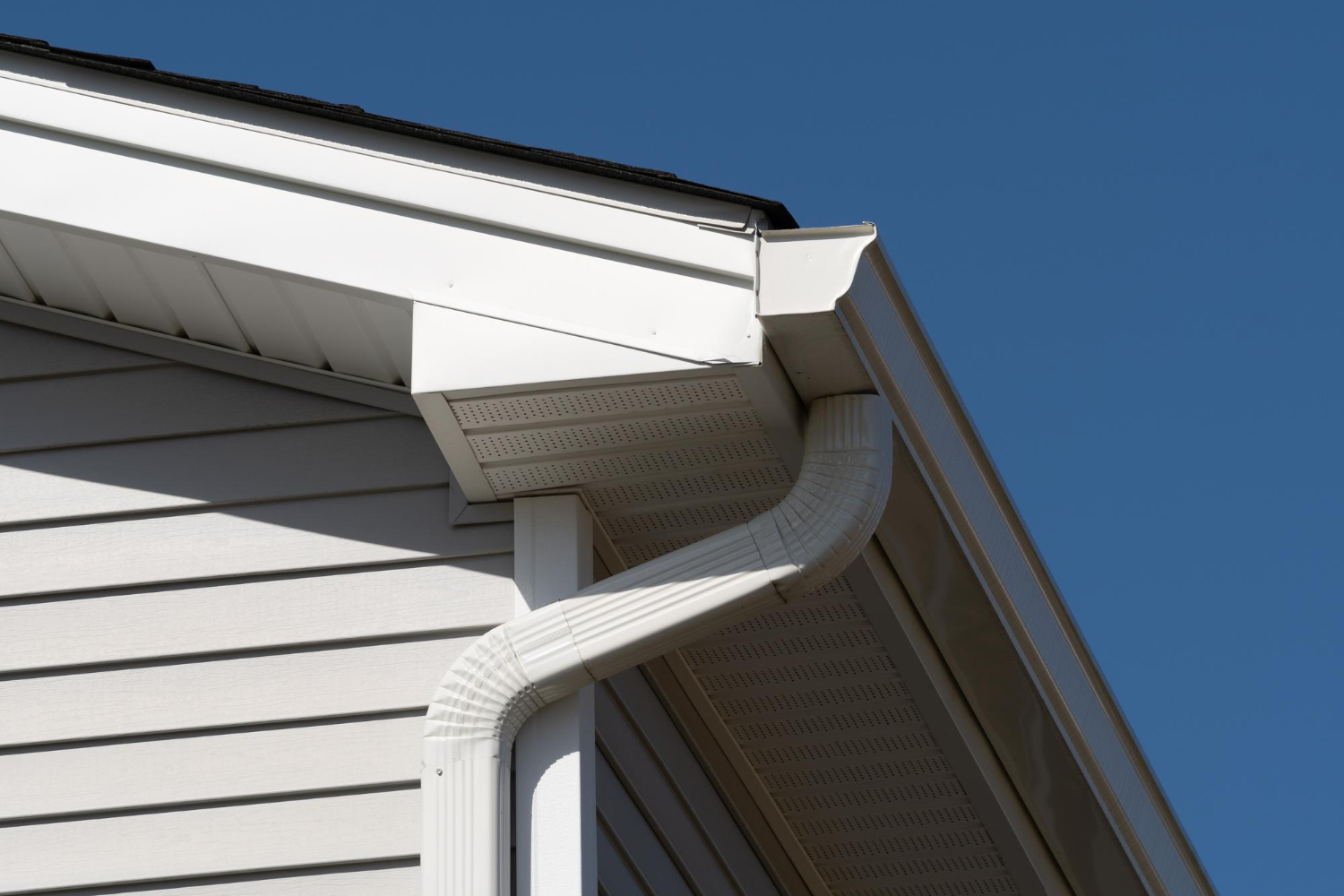
When the temperature drops in Rapid City, frozen gutters turn into a headache for many homeowners. One day your gutters seem fine, and then overnight they’re full of ice, water is spilling over the sides, and suddenly there’s a noticeable leak near the front entry. It’s not only frustrating, but repeated freezing and thawing can lead to serious damage over time. What starts as a small issue with water flow can turn into roof issues, wall stains, or dangerous icicles hanging near doorways.
Understanding why gutters freeze helps you stay ahead of bigger problems. It’s more than just cold weather. There are things going on with your roof, attic, and drainage system that make these freezes worse. Once you know what causes it, it’s easier to see why some homes deal with it more than others and what you can do to stop it from happening again.
Common Causes Of Gutter Freezing
Frozen gutters are usually the result of a few overlapping issues that come together during the winter. While the cold is the main factor, other conditions make the freezing worse or more frequent.
Here’s what typically leads to frozen gutters:
– Temperature swings: When daytime temperatures melt snow and nighttime temps bring deep freezes, the thawed water doesn’t always find a clear path away from the roof. Once it sits in the gutter and temperatures drop, it refreezes quickly.
– Poor roof insulation: If warm air escapes from inside the house into the attic, it can warm the underside of the roof just enough to melt snow even on cold days. That melted snow then travels to the gutters, where it can hit cold metal and freeze again.
– Blocked downspouts: When leaves, pine needles, or debris clog the downspouts, water has nowhere to go. Even if only part of the drain is blocked, that trapped water turns into solid ice when it gets cold.
– Old or sagging gutters: Gutters that don’t sit level or have dips in them tend to collect standing water. During freezing temperatures, those puddles are the first spots to turn into ice.
– Lack of sunlight: Areas around the home that don’t get much sun, like north-facing roofs or spots shaded by trees, stay frozen longer. That means ice inside gutters hangs around for days or even weeks.
These conditions often work together. For example, a poorly insulated attic combined with a shaded roof sets the stage for ongoing freeze-ups. It’s not always about how much snow you get or how cold it is. Sometimes it’s more about how your home handles melting and draining.
When several of these issues come together, your gutters may freeze over and over, even during spells of warm weather. If you’re seeing icicles or water spilling over, your home may be dealing with a mix of these problems, and ignoring them can lead to long-term damage.
Effects Of Frozen Gutters On Your Home
Frozen gutters are more than just a seasonal nuisance. They can cause some real trouble for your roof, walls, and even the safety of everyone near your house.
As ice builds up inside the gutters and downspouts, the added weight starts to pull at the fascia. It can bend or break gutter sections completely. Once they’re bent, they don’t drain as well even after the ice is gone.
Even worse, blocked water from overflowing gutters can slip under your roofing shingles. That moisture can freeze again and form what’s known as an ice dam along the roofline. Ice dams lead to standing water, and that water backs up under the roofing material. Over time, this can cause attic leaks, wet insulation, and damage to ceiling materials.
Safety is another major concern. Ice hanging from full gutters often turns into heavy icicles over doorways, sidewalks, and driveways. These can fall without warning and hurt someone or damage things below. It may not seem like a big deal at first, but preventing those frozen hangovers matters more than you’d think during winter.
Frozen gutters can even invite new problems. As the home’s structure weakens from water penetration, insects and small animals may find openings to squeeze through and take shelter. Gutter issues can do a lot more than mess with water flow if left alone for too long.
How To Help Prevent Gutter Freeze-Ups
There are ways to reduce the chance of your gutters freezing up, and most of them involve trying to keep water moving. A lot comes down to maintenance and insulation.
Take a look at these prevention tips:
1. Clear gutters regularly: Leaves, roof dust, and twigs build up over time. Keeping gutters clean helps rainwater and snowmelt move freely.
2. Check the downspouts: A clogged downspout creates a backup all the way to the top of your roof. Clearing them early in winter can save you from an ice block later.
3. Look at roof insulation: If you’re losing heat through the roof, you’ll melt snow from the inside out. That water can freeze again once it hits the gutter. Insulating properly keeps that heat inside the home where it belongs.
4. Install gutter protection: Guards help prevent bigger debris from getting inside in the first place. Less clogging means better flow during storms and snowmelt.
5. Consider heating cables: These are electric heating lines you can install along the roof edge and gutter run. They stop snowmelt from freezing when it reaches the gutter, helping water exit the system without turning into ice.
The idea is to stop blockage and keep the system flowing. When water keeps moving, it’s less likely to freeze and cause damage.
When To Call In A Roofing And Construction Company
Sometimes these issues are hard to solve on your own. It’s not always visible where the problem is coming from. Is it poor attic ventilation? A sagging roof section? Or something deeper in your drainage setup? That’s where we come in.
You might want to contact a roofing and construction expert if:
– You’ve spotted ice dams more than once in a single winter
– Brown stains are beginning to appear on ceilings or walls
– Your gutter system has started to sag, hang loose, or break apart
– Icicles are forming near your doorways or garage regularly
– Your downspouts are frozen for days without draining properly
A full inspection can reveal whether you’re dealing with a surface problem or if something hidden is making it worse. It may look like a small icy patch, but in some cases, heat loss or improper drainage is playing a bigger role. Fixing the cause is better than just clearing ice again when the next freeze rolls in.
If your setup isn’t working the way it should, a professional can spot the weak link and help get things back in shape before it does more damage.
Keep Your Gutters Flowing Smoothly This Winter
Frozen gutters in Rapid City do more than just slow down your drainage. They can invite safety risks, weaken your roof, and open the door to unexpected repairs. While it’s easy to assume the cold weather is to blame, the real reason usually starts inside your home with insulation, airflow, and an aging gutter system.
Late December often means winter’s worst is still ahead. Whether you’re dealing with growing icicles, mystery leaks, or just want peace of mind, now is the time to fix those freeze problems for good. Your home doesn’t need to suffer year after year from the same avoidable issues. Detecting trouble early and addressing it right makes the cold months feel a whole lot less harsh.
Dealing with persistent gutter issues can be more than just a headache during winter. Don’t let these problems disrupt your peace at home. For comprehensive inspections and timely solutions, turn to RainTite Roofing & Construction. Our team specializes in identifying and fixing issues caused by freezing conditions. Learn how our roofing and construction company can help safeguard your home this season.