Protect Your Home Before the Next Summer Storm Hits
A strong roof is your home’s first shield against the wild weather we get in and around Rapid City. Summer is a smart time to check how that shield is holding up, especially after spring storms and before late-summer hail rolls through the Black Hills. Heat, wind, and hail can all wear down roofing materials little by little.
Our local climate is tough on roofs. We see intense sun, big temperature swings from day to night, strong winds, and frequent hail. All of that can weaken shingles, flashing, and sealants. Small problems often start long before you spot a leak inside.
That is why a simple summer roof inspection checklist is so helpful. With a clear plan, you can catch early warning signs, extend the life of your roof, and lower the chances of surprise emergency repairs after the next big storm. When you want a closer look, or need repairs, professional roof inspection services give you peace of mind that your home is ready for what the season brings.
Start with a Safe Ground-Level Roof Check
Safety comes first. Many basic checks can be done from the ground. There is no need to climb ladders or walk on the roof. A pair of binoculars and a slow walk around your home can show you more than you might think.
From the ground, watch for:
- Missing, cracked, or curled shingles
- Dark or shiny patches that look different from the rest of the roof
- Sagging spots or uneven lines along ridges and valleys
- Exposed areas that look like bare underlayment or wood
After a strong wind or hailstorm, a quick scan is especially important. Hail can bruise shingles and knock off granules. Wind can lift shingle edges just enough for water to sneak under later. These issues might not leak right away, but they can turn into problems weeks or months down the road.
Consider calling for professional roof inspection services if you notice any of these signs:
- Several shingles missing or broken in one area
- Shingles that look crushed, pitted, or deeply dented
- Any exposed underlayment or wood
- Sections of the roof that appear to dip or sag
Check Gutters, Downspouts, and Roof Edges
Summer is also a great time to look at gutters and downspouts. They help move water away from your roof and foundation during heavy rain and hailstorms. If they are clogged or loose, water can back up and cause damage where you cannot see it.
Add these items to your checklist:
- Scoop out leaves, pine needles, and other debris
- Look for piles of shingle granules in the gutters
- Make sure downspouts are clear and draining away from the house
- Watch for leaks at gutter seams while it is raining, if possible
Finding a lot of shingle granules is a warning sign. It can mean your roof is aging, or that hail has hit the surface hard enough to weaken the top layer. Over time, that can shorten the life of the shingles.
While you are looking up, pay attention to the roof edges and eaves:
- Rusted or bent drip edge metal
- Peeling paint under the eaves
- Soft, spongy, or rotted wood
- Water stains on soffits or siding below the roofline
These can point to chronic gutter overflow, past ice dams, or hidden leaks. If you see gutters pulling away from the fascia, loose sections, or water stains already on soffits and siding, it is a good idea to have a pro inspect the whole roof system and the trim around it.
Inspect Flashing, Chimneys, and Roof Penetrations
Flashing is the thin metal that seals the edges where your roof meets chimneys, vents, skylights, and valleys. It is one of the most important parts of your roof because it helps keep water from sneaking under the shingles.
On your checklist, include:
- Bent, rusted, or missing pieces of metal around chimneys and vents
- Cracked, dried, or missing sealant at edges and corners
- Metal that looks patched together with tar or uneven caulking
- Inside the attic, any spot where you can see daylight around pipes or chimneys
Rapid City’s hot days and cool nights cause roofing materials to expand and contract. Over time, that movement can break down caulking and loosen nails or screws that hold flashing in place. Even a small gap can let water in during a storm.
If you notice damaged metal, peeling sealant, or past patch jobs around penetrations, it is smart to have professional roof inspection services take a closer look. Improper or worn-out flashing is one of the most common causes of hidden roof leaks.
Evaluate Attic Ventilation and Indoor Warning Signs
Your attic has a big impact on how well your roof handles South Dakota summers. Good ventilation lets heat and moisture escape. That can help your shingles last longer, keep your home more comfortable, and protect your insulation.
Inside the home and attic, watch for:
- Brown or yellow ceiling stains
- Peeling paint or bubbling drywall near the ceiling line
- Musty odors, especially after rain
- Warped rafters or decking in the attic
- Any visible mold or mildew on wood or insulation
Poor ventilation can trap heat and moisture under the roof. That can lead to shingle damage from below, mold growth, and higher cooling bills on the hottest days of July and August. Leaks that go unnoticed in the attic can also ruin insulation so it no longer does its job.
If the attic feels extremely hot even on mild days, or you see moisture damage, a professional can evaluate vents, baffles, and insulation levels. This kind of check works well alongside roof inspection services, since both the roof surface and the space underneath it affect each other.
Know When to Call Local Roof Inspection Pros
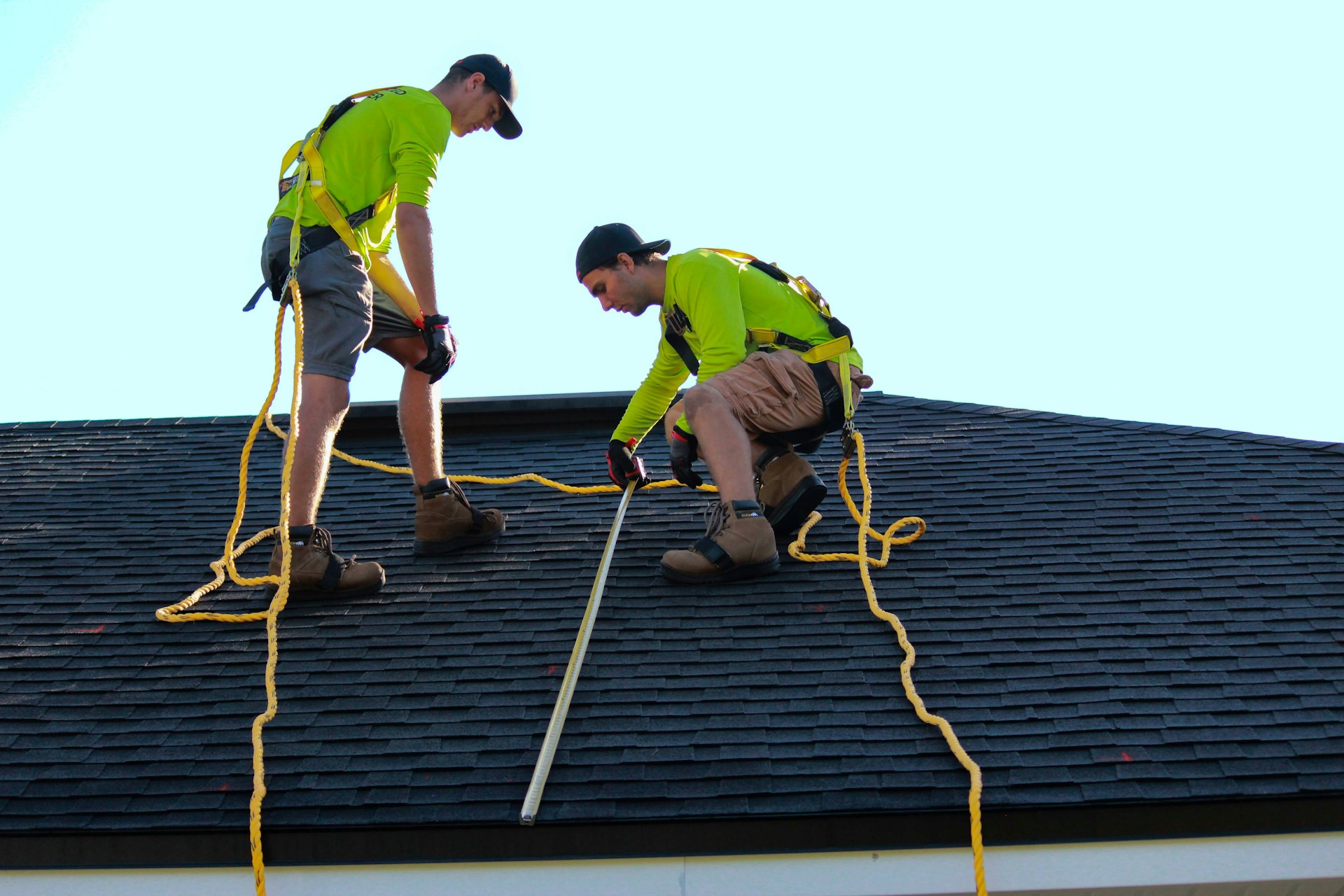
There is a big difference between a quick visual check from the ground and a full professional inspection. A pro can safely walk the roof, look for soft spots, check for exposed underlayment, and test areas that might have hail damage. They will also review flashing, gutters, and ventilation as part of the larger system.
Local Rapid City roofing experts bring extra insight because they understand:
- Typical hail sizes and wind patterns in the Black Hills
- Common weak points on homes in this area
- Local building codes and insurance claim expectations
If your roof is more than ten to fifteen years old, has gone through recent hailstorms, or shows any of the warning signs on this checklist, it is a good time to consider professional roof inspection services. A detailed inspection can help document the current condition of your roof for insurance purposes and guide plans for future repair or replacement.
Working with a local team like RainTite Roofing & Construction means you get honest recommendations for repairs, maintenance, or upgrades to more impact-resistant materials that fit our weather. A careful inspection and clear report help you make informed choices about how to keep your home protected before storm season ramps up again.
Protect Your Home With a Pro Roof Inspection Today
If you are unsure about the condition of your roof, our expert roof inspection services can help you catch issues before they turn into costly repairs. At RainTite Roofing & Construction, we carefully evaluate every part of your roofing system so you can move forward with confidence. Reach out through our contact page to schedule an inspection and get straightforward recommendations tailored to your home.
Frequently Asked Questions
What should I look for during a summer roof inspection in Rapid City?
From the ground, look for missing, cracked, or curled shingles, dark or shiny patches, and sagging spots along ridges or valleys. Also watch for exposed underlayment or wood, which can let water in during heavy rain or hail.
How can I check my roof safely without climbing on it?
Do a slow walk around your home with binoculars and scan the roof surface, edges, and valleys for damaged or missing shingles. After wind or hail, repeat the scan and look for dents, lifted shingle edges, or bare spots that could become leaks later.
Why are shingle granules in my gutters a problem?
Granules protect shingles from sun and weather, so a noticeable pile of granules in the gutters can mean the roof is aging or was hit by hail. Losing granules can shorten shingle life and increase the chance of future leaks.
What is roof flashing, and how do I know if it is failing?
Flashing is thin metal that seals areas where the roof meets chimneys, vents, skylights, and valleys to keep water out. Signs of trouble include bent, rusted, or missing metal, cracked or missing sealant, and patchy tar or uneven caulking around those areas.
What is the difference between a DIY roof check and a professional roof inspection?
A DIY check is usually a ground level visual scan for obvious damage like missing shingles, sagging lines, or gutter issues. A professional inspection takes a closer look at flashing, sealants, and hidden trouble spots, and can confirm storm damage before it turns into leaks.