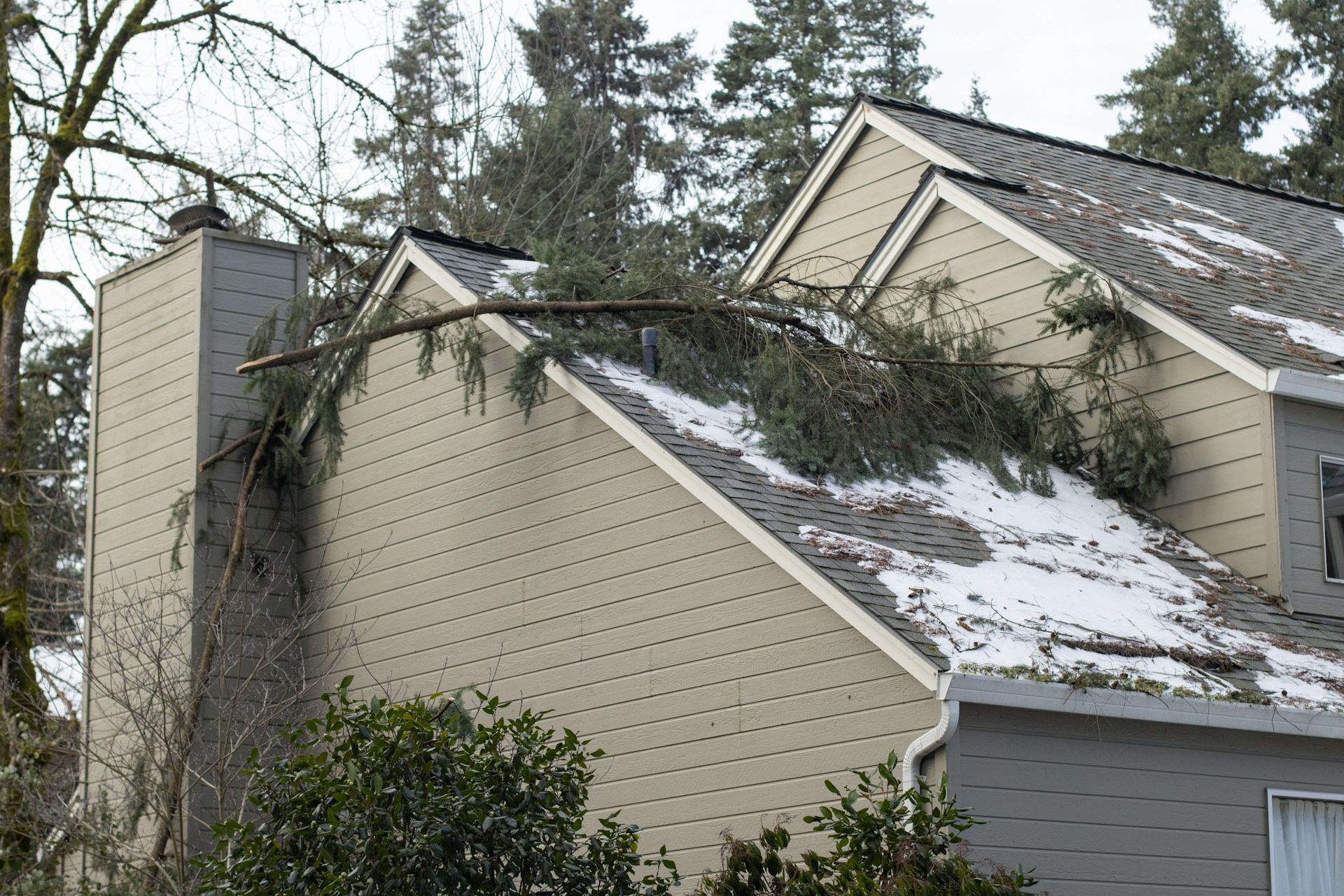
The winters in Rapid City can be beautiful, but they also come with challenges, especially for your roof. A big one is snow buildup. When snow stacks up over time, the weight sitting on your roof can add up fast. Knowing how much snow your specific type of roof can handle isn’t just helpful. It’s the kind of knowledge that can prevent serious damage.
Different roofing materials hold up in different ways under pressure. Some are lightweight and shed snow quickly. Others have more texture or surface area that can collect snow, making them more likely to get overloaded. Since snow isn’t going to stop showing up in the Black Hills anytime soon, it’s worth understanding how each type of roofing handles that weight so you can stay prepared during snow season.
Types Of Roofing Materials and Their Snow Weight Limits
Not all roofs are built the same. Some are better equipped to handle snow loads than others. Let’s take a look at what type of roofing materials are common in Rapid City, and how well they hold up when the snow starts piling on.
1. Asphalt Shingles
This is one of the most popular roofing materials, thanks to its affordability and durability. It’s decently strong when installed well and maintained properly. But once wet snow starts building up, it can take a toll pretty quickly, especially on older shingles that have started to wear or curl.
2. Metal Roofs
Metal roofing is known for its ability to handle heavy snow. The smooth surface makes it easier for snow to slide off rather than pile up. Standing seam designs are especially snow-friendly. Still, poor installation or damage to the seams can create weak spots.
3. Wood Shakes
Wood looks great and adds charm to older homes, but it’s not always the best option in heavy snow areas. If moisture seeps into the wood and freezes, it can lead to swelling, cracking, and long-term structural issues.
4. Concrete or Clay Tile
These roofs are strong and dense, which helps when snow is heavy. But they’re also heavy to begin with. When extra weight from snow is added, it can push the limits of the structure beneath. Tile roofs should always be installed with snow loads in mind, especially in Rapid City’s climate.
5. Flat Roof Membranes
Roofs with little to no slope need extra attention. They often hold snow rather than letting it slide off. These systems are typically built strong enough to account for snow load, but they must be inspected regularly to catch sagging or weak spots before problems grow.
Performance depends on more than the material itself. Roof pitch, age, underlayment, and workmanship all play a role in how much snow a roof can carry. If you’ve recently moved into a new home or haven’t had your roof looked at in years, figuring out what it’s made of and how it’s holding up can go a long way toward avoiding snow-related issues this winter. One local homeowner had an older asphalt roof that looked fine from the ground, only to find serious damage after a series of heavy snowfalls. Ends up, layered snow and ice caused water to back up under the shingles and into the attic. That’s not the kind of surprise anyone wants mid-winter.
Understanding which roofing type covers your home helps make better decisions when the snow starts falling. It also helps you know when to get a second set of eyes on the condition of your roof before things go sideways.
Recognizing Signs Of Overloaded Roofs
When snow sits on a roof too long, it’s not always easy to tell there’s trouble. But problems can build quietly before showing clear warning signs. Knowing what to watch out for can help you catch issues early, before they turn into expensive damage or full-on emergencies.
Some early signs your roof may be under stress from snow weight include:
– Persistent sagging areas or dips in the roofline
– Cracking sounds from the attic or roof deck, especially during or after snowfall
– Doors or windows sticking or not closing properly
– Cracks forming in the walls or ceiling, especially near the top corners
– Leakage in random areas of the ceiling that weren’t there before
If you’re noticing any of these things, don’t brush them off. Roofs don’t usually show signs like these unless there’s a reason. Continued pressure from snow can lead to late-night leaks or worse, sudden failure in parts of your roof’s structure. Sagging doesn’t fix itself. Once the load is more than the roof can hold, damage spreads fast and often leads to interior issues.
A Rapid City homeowner once ignored a sticking door and a bit of ceiling paint peeling, thinking it was from an old baseboard. But it was actually from snow pressure pushing down and shifting the roof structure. By the time water seeped in from the attic, major insulation had been soaked and mold had set in. Catching these signs quickly is the way to avoid that kind of mess.
Professional Assessment And Regular Maintenance
Getting a professional roofing check isn’t about overthinking winter. It’s about being ready. A roofing crew knows what signs matter, what weight limits apply for your roof type, and what repairs or reinforcements make sense before things go south.
A typical assessment focuses on:
– Checking the structure and shape of the roof for sag or deflection
– Looking at joints, flashing, and seams that could weaken from added snow weight
– Making sure draining systems, including gutters, aren’t clogged or frozen over
– Evaluating insulation to prevent ice dams from forming
You don’t have to wait for a problem to pop up first. Scheduled inspections help prevent those surprise repairs in January or February when you least expect them. Maintenance also includes smaller but important items like sealing weak spots, replacing aging materials, and adjusting snow guards or edge barriers where needed.
A damaged roof under snow can be hard to spot from the ground. What looks fine might be under a lot of strain. That’s why a trained set of eyes makes all the difference. And if the inspection points to work that needs to be done, it’s always better to take care of it early than to deal with an emergency call when the roof starts leaking at midnight.
Preparing Your Roof For Winter
Since this article publishes around mid-November, now is the right time for Rapid City homeowners to prep for snow season. Cold weather creeps in quick, and roofs need to be ready to handle everything from powdery drifts to icy buildup.
Here’s a quick checklist to help your roof stay in shape before heavy winter weather settles in:
– Clear leaves, pine needles, or debris from the roof and gutters
– Make sure all vent pipes are sealed properly and flashing is intact
– Schedule a roof inspection with a pro who understands snow loads
– Install or double-check snow guards if your roof has a steep pitch
– Confirm attic insulation is solid to prevent warm air loss
– Check that downspouts are directing meltwater away from the home
These steps might seem small but they go a long way. Snow that turns into layers of ice can back up beneath loose shingles or towards walls where it doesn’t belong. Ice dams, if they form, tend to trap water right where it shouldn’t be, which often leads to major damage.
Even newer homes benefit from a winter prep check, especially if you’ve had storms recently. Loose materials, missing shingles, or tiny gaps can turn into real problems once the freeze-thaw cycle sets in. A dry, clean, and sealed roof has the best shot at holding weight while keeping your house warm and safe.
Keep Your Roof Safe This Winter
Roofs built in climates like Rapid City’s are meant to handle some snow, but knowing where the limits are can help you avoid more than just a soggy ceiling. Different materials carry weight differently. Some shed snow with ease while others tend to let it build up. When that weight becomes too much, it’s more than a home repair, it’s a safety concern.
Regular inspections, proper upkeep, and seasonal checks go a long way. Being alert to the first signs of pressure or strain can keep a small fix from growing into a larger issue. You don’t want to wait until water or collapsed shingles make it clear that too much snow showed up all at once.
Taking care of your roof before problems appear gives you peace of mind. You’ll know your home is ready and that even when the snow piles on, your roof is solid enough to carry through the season.
Prepare your roof for winter’s challenges with confidence. For dependable support that keeps your home protected, turn to a trusted roofing and construction company like RainTite Roofing & Construction. Our team is ready to help you stay ahead of snow season and the damage it can bring.