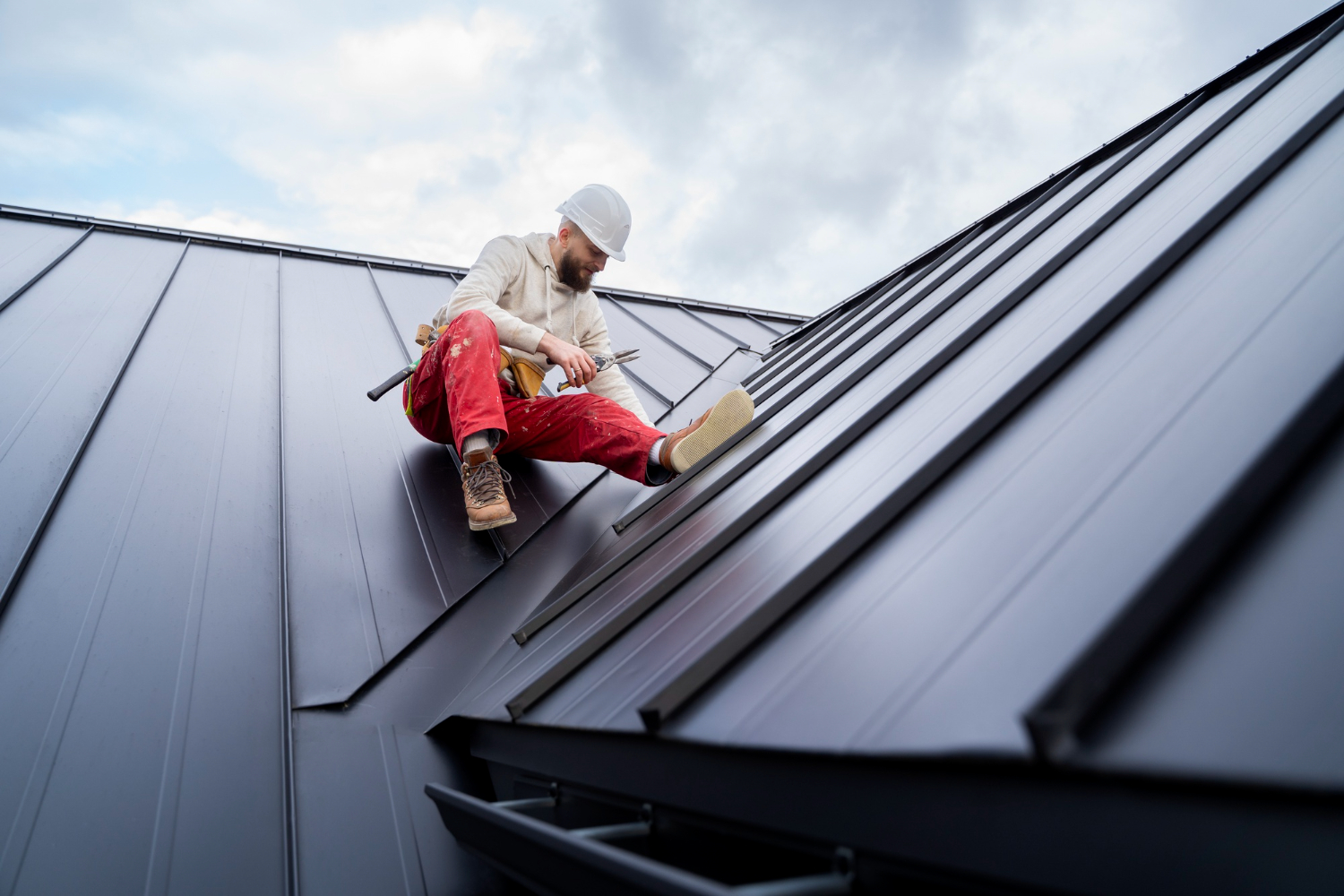
Getting a metal roof installed on your home or business should bring peace of mind, but that only happens if the work is done the right way. A properly installed metal roof can hold up well through Rapid City’s cold winters and windy spring seasons. On the other hand, a poorly installed roof can cause more problems than it solves, leading to water damage, higher heating bills, and constant repairs that never seem to end.
Many property owners don’t realize something is wrong with their roof until parts start failing. By then, there’s already damage underneath. That’s why it helps to learn what signs point to a problem with the original installation. If you notice any of these problems early on, getting a professional to take a look could save you a lot of trouble down the road.
Visible Fasteners or Gaps
You shouldn’t be able to spot fasteners sticking out or see light through your metal roof panels. If you can, something went wrong during installation. Visible screws or fasteners on parts of the roof that should be concealed usually mean someone didn’t follow the right process. This isn’t about looks. When screws are too exposed or placed at a bad angle, water can follow the path straight into the roof deck.
Gaps between panels are another big red flag. Properly installed metal roofing panels should overlap or fit tightly together. If they’re spaced unevenly or leaving exposed edges, that opens the door for moisture, wind, and cold air to get inside. Over time, this not only leads to leaks but can cause insulation and wood underneath the roof to rot or mold.
Here are a few things to watch for:
– Visible screws not sealed properly
– Spaces between panels wide enough to see light
– Loose fasteners or ones that shift when touched
– Caulking or sealant missing around edges or holes
Seeing any of these signs, especially when the weather starts cooling in December, means it’s better to get a contractor to inspect the job right away.
Uneven Roof Panels
A roof should be flat from end to end with straight lines and smooth surfaces. If you notice any areas where the panels look wavy, crooked, or lifted, that’s another hint something wasn’t done right. This usually happens when panels aren’t aligned correctly during installation or when the framing underneath isn’t properly prepped.
Uneven panels can cause functional problems. Wind can catch lifted edges and pull them up even more. Water can collect in the valleys created by warped panels and start seeping under them. Those pools of moisture don’t always drain well, especially during the freeze-thaw cycles that Rapid City winters bring, which only makes the problem worse.
Even something that starts small, like a slightly raised panel on one corner, can grow more serious if ignored. Snow and ice put extra pressure on those weak points, and once the metal shifts, it loses its ability to act as a solid barrier. That leads to leaks, energy loss, and long-term damage to the structure underneath.
If your roof doesn’t look level or seems to rise and fall in some spots, it’s time to take a closer look. Getting ahead of problems like this is way less hassle than dealing with water damage inside your building when the snow starts piling up.
Poorly Sealed Seams and Flashing
Seams and flashing are some of the most important parts of a metal roof when it comes to keeping water out. Seams are where two metal panels meet, and flashing is the thin metal sheet placed around roof edges, chimneys, vents, or any place where water could sneak in. If either of these areas are sealed wrong, it can cause serious problems.
Improper sealing can show up in ways that aren’t always obvious at first. You might notice rusted spots around panel edges or streaks on nearby walls. During a cold Rapid City winter, ice can build up in those weak spots and melt into cracks once the sun hits. That water travels down into insulation or drywall underneath, sometimes without being seen until it’s too late.
Poor sealing usually happens when installers rush the job or don’t use the right materials. This includes things like cheap caulking that dries out fast or flashing that wasn’t fitted tightly. When that seal breaks down, rain and melting snow find their way inside, one drop at a time. Over the months, that slow drip leads to mold, wood rot, or warped materials under the roof layer.
If you see any part of the flashing lifting up, feel wet spots along your ceiling edge, or notice water where it shouldn’t be after a storm, those are signs something’s off. It’s worth having a pro check the seams and flashing before bigger issues show up.
Unusual Noises or Creaks
A properly installed metal roof should sit tight and quiet. It might make a light tapping noise during hail or heavy rain, which is normal, but it shouldn’t be creaking or popping during regular temperature shifts. If your roof snaps, groans, or makes sharp sounds as days warm up and nights cool down, it could mean there’s movement happening that shouldn’t be.
These sounds are usually caused by panels that aren’t attached with the right spacing or flexibility. Metal expands when it heats and contracts when it cools, especially in places like Rapid City where winter nights get bitterly cold and daytime sun can warm things back up. If the fasteners are over-tightened or the panels aren’t allowed to flex, the stress builds up and the metal starts making noise as it moves against its restraints.
That kind of strain wears parts down fast. Over time, it can loosen fasteners, crack sealants, and even cause parts of the panels to lift or slide out of place. A roof is supposed to be a sealed and strong system. If it’s shifting enough to be heard, something isn’t right.
A real-world example is a homeowner who ignored light popping sounds for over a year, thinking it was just the wind. The sound turned out to be stress fractures opening along the seams. By the time they had it checked, water had started making its way inside the insulation and ceiling tiles.
So if your roof’s been talking more than usual, don’t wait for visible damage.
We Are Here to Help
Catching these signs early is one of the best ways to avoid bigger, more expensive repairs later on. From fasteners and seams to noise and panel layout, these aren’t just small errors. They point to deeper installation problems that affect how long your roof will last and how well your building stays protected.
If your metal roof in Rapid City shows any of these signs, it’s a good idea to reach out to experienced pros who know what to look for. A trained eye can spot mistakes and help you fix the issues before they turn into larger structural concerns. Whether you’re dealing with leaks, noise, or just unsure of a few problem spots, the right help can make all the difference.
Securing your roof’s longevity and performance starts with proper installation. If you’re seeing any of these warning signs with your metal roof in Rapid City, don’t wait to act. Connect with a knowledgeable commercial metal roofing contractor at RainTite Roofing & Construction to get expert help right when you need it. Whether it’s checking those tricky seams or addressing unusual noises, we’ve got the expertise to keep your roof in top condition.