
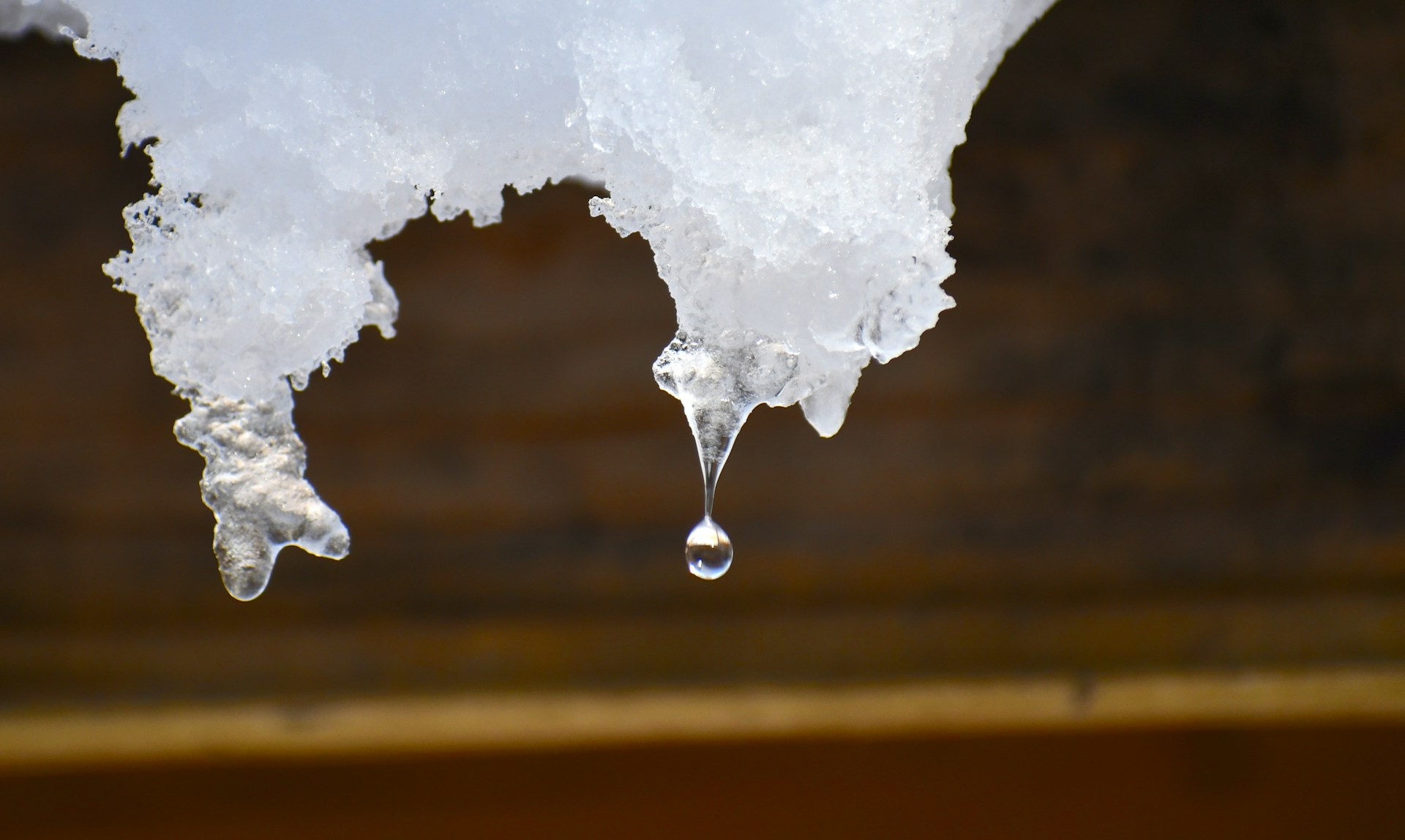
As snow begins to melt in Rapid City, it tends to uncover roof problems that stayed hidden through the colder months. What looked fine in January might look much different in February. Now is when water finds weak spots, and we start seeing shingles out of place, soggy ceilings, or sections of the roof that just don’t look right anymore. These signs, while frustrating, are actually helpful. They mean it’s time to get ahead of the damage before spring rain drives the problem deeper.
We see a lot of homes where leaks only show up once the snow begins to melt. By scheduling a professional roof restoration early, it’s possible to stop the damage from getting worse. Timing matters, and knowing what to expect helps you decide when to act. Let’s go over what you might notice, what steps follow, and how to get your roof back on track before spring makes every small leak more serious.
Spotting Roof Damage After Snowmelt
Melting snow can turn small hidden gaps into obvious problems. When water starts running through cracks that were sealed by ice just weeks ago, surfaces begin to show what winter left behind. A few common signs show up more often this time of year:
• Ceiling stains can appear suddenly after a late thaw, especially if snow sat heavy on parts of the roof all season. Water may have worked its way along seams and nails, dripping down slowly.
• Missing or buckled shingles often reveal themselves when snow slides off or when winds lift exposed areas.
• Sagging or uneven rooflines can point to structural strain from a heavy snow load. If left alone, these spots may hold water, pulling down gutters or spilling into lower levels.
• Ice dams that formed earlier in winter can trap water that refreezes and expands into seams. That expansion pushes pieces apart without being obvious until snow begins to melt.
These aren’t just surface-level problems. They point to bigger issues forming under the shingles or metal panels, especially when melting snow makes everything wet again. Spotting them early gives us a better chance of fixing them before rainfall adds more pressure.
Timing is Everything: Why Late Winter Matters
Late winter might not seem like the ideal time to think about roof work, but it’s actually one of the better windows to act. Once the sun returns without heavy snowfall, we’re given just enough warmth to inspect everything more clearly. Planning your restoration before spring storms hit is the safest way to avoid surprise leaks down the road.
• Scheduling inspections now gives us time to catch problems while repairs are still manageable.
• In Rapid City, warmer afternoons in February can soften materials just enough to allow safe patching or sealing.
• Some types of work still need to wait if temperatures stay too low overnight. Understanding which fixes can be done right away helps keep things moving.
We pay close attention to weather changes, choosing safer days to inspect damaged areas. Rain in early March could move quickly and flood weak spots. Getting ahead of the schedule gives us space to do the work right without rushing.
Our team at RainTite Roofing & Construction specializes in rapid response roof repairs and full restorations. We use thorough on-site inspections and quality materials for every project.
What a Professional Roof Restoration Includes
A full roof restoration isn’t just a patch-over. It’s a deeper repair process, especially after a harsh winter season. We look closely at what the snow, ice, and frigid air may have done beyond the surface.
• Inspections go beyond the visible damage. We may check under shingles or lift panels to see if underlayment or fasteners are loose.
• If water got past the outer layer, we’ll spot discoloration, soft spots, or rotting wood that wouldn’t show from a simple visual check.
• Surface patching can work when damage is minor, but if materials underneath have soaked up moisture, we’ll recommend removing and replacing sections.
• Late winter restorations usually involve materials that stay flexible in cool conditions. That might mean using sealants rated for lower temperatures or applying warming solutions to help them set correctly.
We aim to catch and fix problems while they’re still easy to reach. Waiting for the snow to finish melting may seem easier, but by then, materials can swell, fasteners may pop, and leaks can make their way into walls. A professional roof restoration now can prevent those ripple effects.
How to Choose the Right Company for the Job
Post-winter work takes more than just a ladder and a truck. Cold-weather roofing isn’t the same as mid-summer repairs, and not everyone is prepared to do it the right way. Asking the right questions before agreeing to work can help you find someone who knows what they’re doing.
• Ask how they deal with cold temperatures during inspections and repairs. Timing around sun exposure is a good sign they’ve worked in Rapid City conditions before.
• Check if they understand local weather patterns. Quick daytime thaws followed by overnight freezing can impact how repairs hold up.
• Be cautious with anyone offering same-day repairs or surface-only work without checking deeper levels. Fast doesn’t always mean safe or lasting.
• Avoid companies that push everything to spring. Some things can wait, but leaks rarely do. It’s important to catch the ones that need immediate attention.
Roof restoration after winter needs to be strategic. A rushed job can hide a broken seam, leading to more damage later. A delayed one can leave your home open to the next storm. Experience and understanding count here, especially around late-winter transitions.
RainTite Roofing & Construction is fully licensed and insured, offering roofing repairs, restoration, and seasonal inspections throughout Rapid City.
Peace of Mind Before Spring Storms
Late winter sets the stage for what spring will do to your home. When water is moving and temperatures are shifting, keeping your roof in solid shape makes a big difference. Small cracks or loose flashing that don’t seem urgent can turn into soaked insulation or mold problems once heavy rains roll through.
• Taking care of trouble spots now means you’re less likely to need an emergency call when spring gets wet.
• Restoring the roof after winter helps prevent watermarks on ceilings, damaged drywall, or further structural wear from untreated leaks.
• If shingles are faded or uneven, a professional fix can make the roof look better while also making it work better.
• Strengthening your roof now helps it hold up to strong spring winds, which often arrive alongside March and April storms.
Keeping an eye on the roof at this point of the season is more than just routine upkeep. It’s a way to protect what’s underneath before anything bigger goes wrong.
When snow finally quits falling in Rapid City, the thaw tells us a lot about what winter left behind. Homeowners who listen to those early warning signs, stains inside, soft spots outside, have the best chance of fixing issues early without major repairs later on. Getting your roof restored now saves time and prevents damage as the seasons shift. There’s no perfect time to discover a leak, but catching one as snow melts is your best window to stay ahead of trouble.
Winter storms can take a toll on your roof, leaving leaks, sagging, or worn shingles that need prompt attention before spring arrives. Addressing these issues early helps prevent bigger problems and keeps your home protected as the seasons change. At RainTite Roofing & Construction, we guide homeowners through every step of a professional roof restoration, from detailed inspection to thorough repair. Schedule your late-winter inspection today and let us help you prepare your roof for the months ahead.