
Most homeowners wait too long to check their roofs before winter hits. That’s a costly mistake in Rapid City, where early snow and storms can cause leaks and ice dams fast. This Rapid City roof inspection checklist walks you through 12 simple steps to protect your home before the first snowflakes fall. Stick with me, and you’ll know exactly what to look for—and when to call in a trusted roofing contractor Rapid City SD trusts.
Essential Fall Roof Maintenance Tips
Let’s dive into some key tips to help keep your roof in top shape as the colder months approach.
Gutter Cleaning in Rapid City
The first step to a healthy roof is ensuring your gutters are clear. When gutters clog with leaves and debris, water can overflow, causing damage to your roof and walls. Grab a ladder, some gloves, and a bucket, and start removing the debris. It’s not glamorous, but it’s crucial. Afterward, rinse the gutters with a hose to make sure the water flows freely.
Keeping your gutters clean prevents water from backing up and freezing, which can lead to ice dams and leaks. If you notice any issues while cleaning, like sagging or damage, it might be time to call a professional for repairs.
Asphalt Shingle Repair Basics
Asphalt shingles are common in Rapid City, and inspecting them for damage is vital. Look for missing, cracked, or curling shingles. These issues can let water seep into your home, causing more problems in the long run. If you spot minor issues, you might be able to fix them yourself with some roofing cement and a few replacement shingles.
For extensive damage, it’s smart to hire a professional. They have the tools and expertise to ensure your roof remains solid and leak-free. Remember, a well-maintained roof saves you money and stress when winter arrives.
Importance of Attic Ventilation
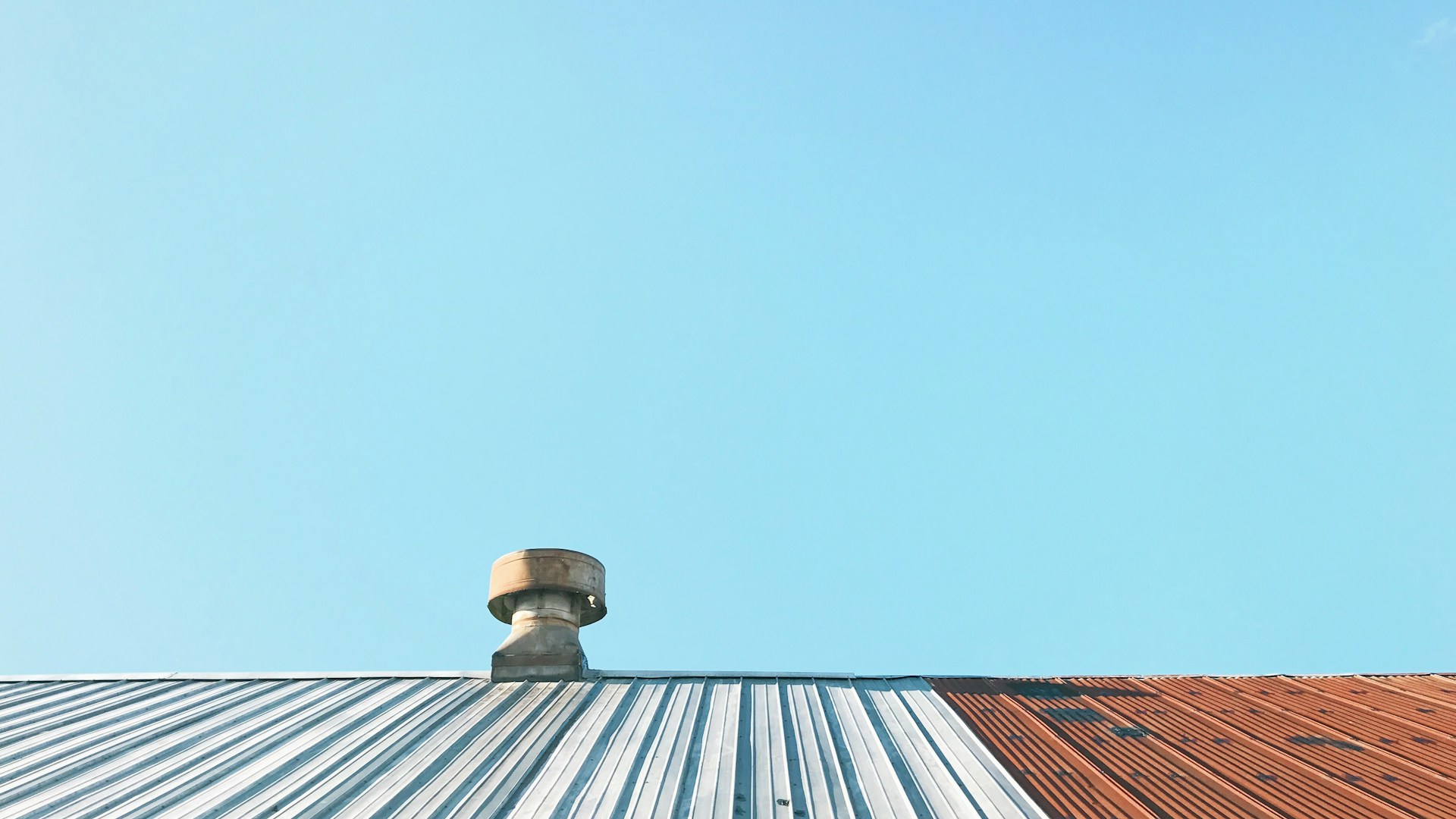
Proper attic ventilation plays a significant role in maintaining your roof’s health. It helps regulate temperature and moisture levels, reducing the risk of mold and ice dams. Check that your vents are clear of obstructions like insulation or debris.
A well-ventilated attic can improve your home’s energy efficiency, lowering your utility bills during the cold months. If you’re unsure about your attic’s ventilation, a roofing expert can assess and recommend improvements.
Preparing Your Roof for Winter
Now that your roof is in good shape, let’s focus on preparing it for the winter season.
Ice Dam Prevention Strategies
Ice dams form when heat from your home melts snow on your roof, which then refreezes at the eaves, causing water to back up under the shingles. To prevent this, ensure your attic is properly insulated and ventilated. This keeps the roof surface cold, reducing the risk of ice dams.
An ice and water shield membrane can also provide additional protection. If ice dams are a recurring issue, consulting with a roofing professional can offer specific solutions tailored to your home.
Chimney Flashing Repair Guide
Chimney flashing prevents water from entering the junction between the chimney and the roof. Over time, flashing can deteriorate, leading to leaks. Inspect your flashing for rust, cracks, or gaps. If you find damage, it’s crucial to repair or replace it before winter.
Repairing flashing involves sealing gaps and securing loose areas with roofing cement. In severe cases, replacing the flashing entirely may be necessary. Properly maintained flashing protects your home from water damage during the snowy season.
Winterize Your Roof Checklist
Winterizing your roof involves several key steps to ensure it withstands the harsh conditions. First, trim overhanging branches to prevent them from breaking and damaging your roof during storms. Next, ensure all flashing is secure, and vents are clear of debris.
Finally, schedule a professional roof inspection to catch any potential issues early. A thorough inspection provides peace of mind, knowing your roof is ready to handle whatever winter throws your way.
Expert Storm Damage Support
Even with the best preparation, storms can cause unexpected damage. Here’s how to handle it.
Hail Damage Roof Repair in Rapid City
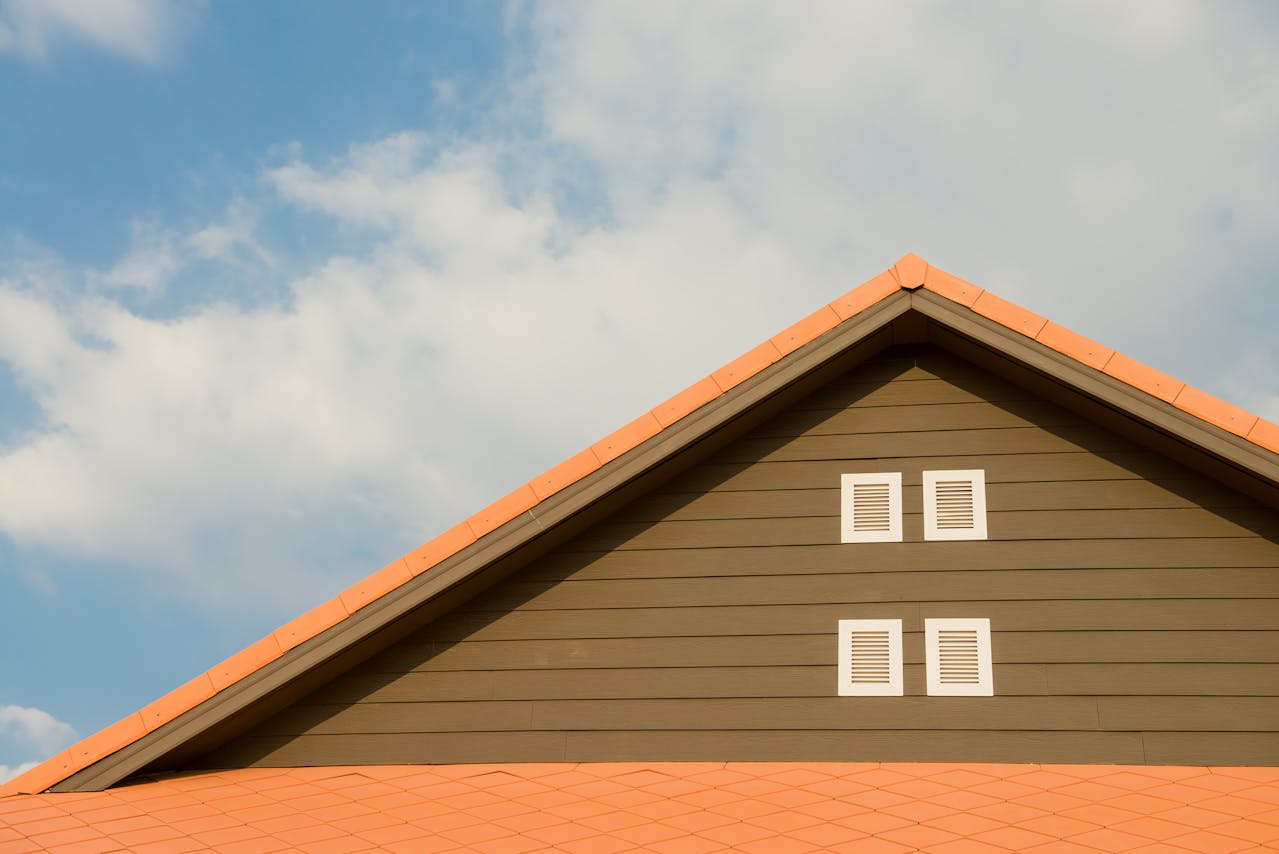
Hail can wreak havoc on your roof, causing dents and cracks. After a storm, inspect your roof for damage. Look for bruised shingles, dents in metal, or granules in your gutters. These signs indicate roof damage that needs attention.
Contacting a professional for an assessment is essential. They can provide a comprehensive report and guide you through the repair process, ensuring your roof is restored to its former glory.
Comprehensive Storm Damage Inspection
After a major storm, a thorough inspection is crucial. This involves checking for loose or missing shingles, damaged flashing, and leaks. A professional inspection identifies issues you might miss, providing a detailed overview of necessary repairs.
Regular inspections after storms ensure your roof remains in top condition, protecting your home from further damage and avoiding costly repairs.
Roof Leak Repair Rapid City Services
Leaks can occur even after minor storms, leading to water damage inside your home. If you notice water stains on your ceiling or walls, it’s time to act. Locate the source of the leak, and apply temporary patches to prevent further water entry.
For a permanent solution, contact a professional service in Rapid City. They have the expertise to accurately diagnose and repair leaks, safeguarding your home against future water damage.
Frequently Asked Questions
How often should I clean my gutters?
Gutters should be cleaned at least twice a year, in spring and fall. Regular cleaning prevents clogs and water damage.
What signs indicate my roof needs repair?
Look for missing, cracked, or curling shingles, and check for leaks or water stains inside your home.
Why is attic ventilation important for my roof?
Proper ventilation helps regulate temperature and moisture, reducing the risk of mold and ice dams.
How can I prevent ice dams on my roof?
Ensure your attic is well-insulated and ventilated. Installing an ice and water shield membrane can also help.
What should I do after a storm damages my roof?
Conduct a visual inspection for damage. Contact a professional for a comprehensive assessment and necessary repairs.