
Spotting Hail Damage Before It Becomes a Leak
Hail can move across Rapid City and the Black Hills fast, hit hard, and be gone in minutes. The storm passes, the sky clears, and from the ground your roof might look just fine. That is why many homeowners shrug it off and go back to normal life. The trouble is, hail-damaged shingles do not always leak right away.
Hail can bruise a shingle without punching a hole through it. Those hidden bruises can slowly break down under summer heat, heavy rain, and winter freeze-thaw cycles. What looks like a small issue today can turn into a stained ceiling or soft spot in your roof later on. Catching damage early is the easiest way to avoid that surprise.
As a licensed roofing contractor based in Rapid City, we work in these weather patterns every year. We see how fast storms roll off the plains, bounce off the hills, and leave behind harm that is easy to miss from the driveway. That is why we take hail-damaged shingles seriously, even when there is no active leak yet.
How Hail Really Damages Asphalt Shingles
When hail hits an asphalt shingle, it acts like a small hammer. On impact, several things can happen at once.
Here is what hail can do to shingles, even when they still look “okay” from the ground:
- Knock off surface granules that protect the shingle from the sun
- Leave soft bruises in the asphalt layer under those granules
- Crack or break the fiberglass mat hidden inside the shingle Loosen edges so wind and water can get underneath later on
If you are able to see your shingles up close, common visual signs of hail-damaged shingles include:
- Dark circular spots where granules are missing
- Soft or spongy bruises you can feel with light pressure
- Cracked or broken shingle corners and edges
- Exposed black asphalt showing through the top surface
It helps to know how hail damage looks different from normal wear. Sun and age usually cause shingles to curl, dry out, or slowly lose color across the whole surface. Algae creates streaks or discoloration that follow water paths down the roof, not small round spots. Hail damage tends to appear in random, scattered marks, often on one side of the roof that faced the storm more directly.
When you see those round bare spots, soft bruises, or cracked edges after a storm, it is smart to treat them as a warning sign rather than normal aging.
Rapid City Storm Red Flags You Should Not Ignore
Around April, Rapid City and the Black Hills often see fast temperature drops, sudden dark clouds, and strong wind that pulls hail out of a storm cell in minutes. One day feels like spring, the next afternoon brings pea-sized ice or even hail closer to golf-ball size.
Even if you cannot clearly see the top of your roof, the outside of your home can give you clues that hail may have damaged your shingles. After a hailstorm, many homeowners notice things like:
- Dented gutters, downspouts, or metal fascia
- Chips, cracks, or holes in siding
- Torn or shredded window screens
- Fresh marks on decks, fences, or outdoor furniture
- Beaten-down plants or shredded leaves in landscaping
If hail hit those surfaces hard enough to leave marks, your shingles likely took a hit too. Timing matters here. The best period to look for these red flags is in the days and weeks right after the storm, before dirt, pollen, or more rain hides the clues.
Waiting until a heavy summer rain or the first big winter thaw to think about your roof can backfire. By then, what started as small hail bruises can turn into loose shingles, slow leaks, or damp insulation in the attic. A prompt inspection helps you understand what the storm really did while the signs are still fresh.
When Hail-Damaged Shingles Become a Bigger Problem
Hail damage is not just about a few ugly spots on your roof. Once granules are knocked off or the fiberglass mat inside a shingle is cracked, that area becomes weaker over time.
Here is how small roof problems from hail can grow:
- Water slips under loosened shingles instead of running off clean.
- Roof decking can begin to rot where moisture lingers
- Attics may develop damp insulation and musty smells
- Mold can form on wood and drywall if moisture continues
The longer hail-damaged shingles sit on your roof, the more chances water has to find a path into your home. That can lead to more involved repairs, like replacing sections of roof decking or fixing interior ceilings and walls, instead of simply swapping out damaged shingles.
There is also the insurance side to think about. When hail damage is documented shortly after a storm, it is easier to show that the roof problems match that specific event. If months or years pass and then leaks appear, it is harder to connect the damage clearly to one hailstorm. Early records from a qualified inspection can make those conversations go smoother.
Professional Roof Inspections vs. DIY After a Hailstorm
It is natural to want to look things over yourself after a storm, but there are limits to what most homeowners can safely and accurately see.
From the ground or using a ladder with caution, you might:
- Check for bent gutters, damaged siding, and torn screens
- Look for missing shingles, hanging pieces, or obvious bare spots
- Scan for piles of shingle granules in your gutters or at downspout outlets
A licensed roofing contractor can take that a lot further. A full roof inspection from a local professional includes:
- Walking the roof to feel for soft bruises and hidden cracks
- Closely examining different slopes that faced the storm
- Taking clear photos of hail-damaged shingles and other affected areas
- Providing a written summary of the roof condition and recommended repairs or replacement
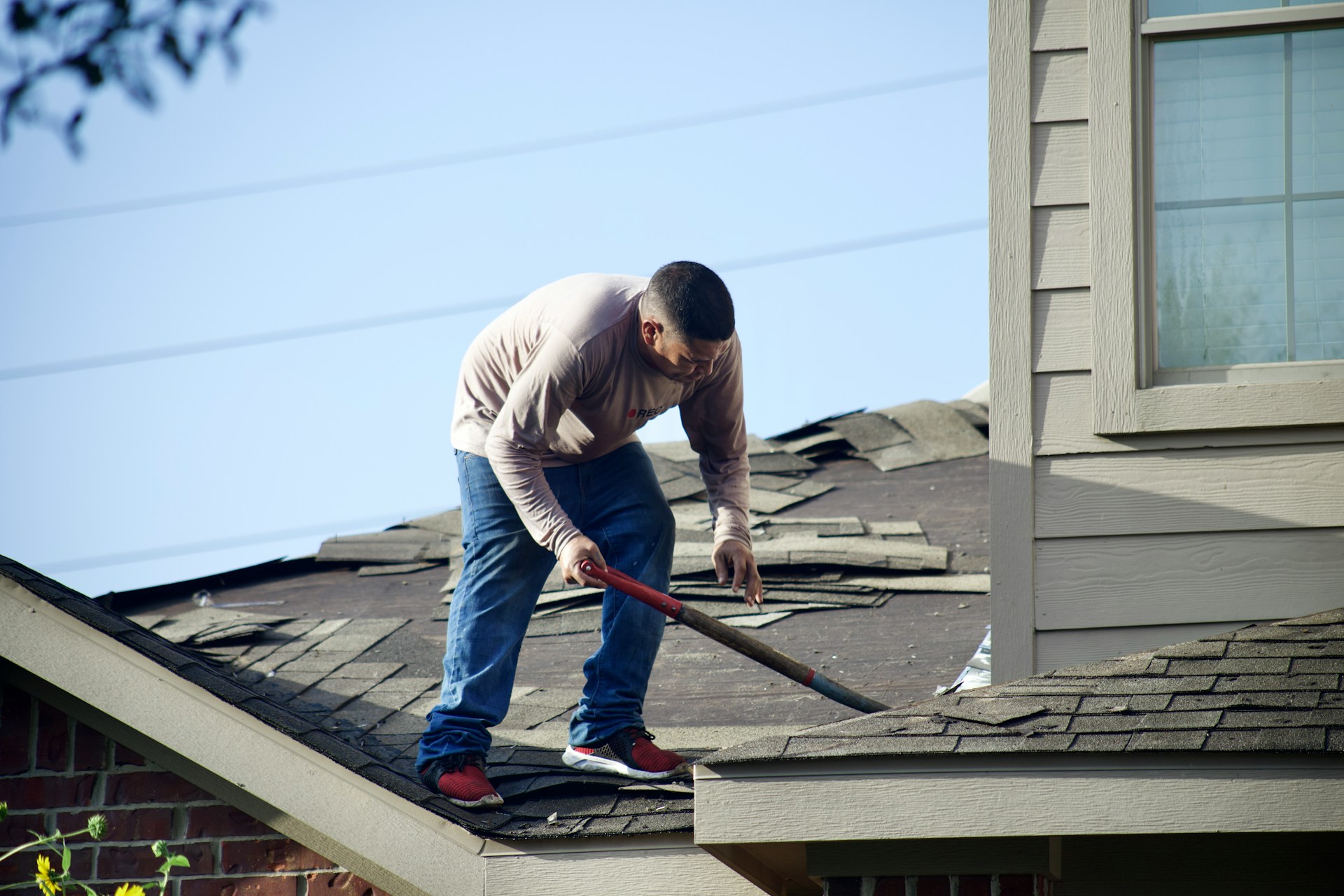
Climbing on a roof without proper training and equipment can be dangerous. Slopes can be steep, surfaces can be slick from granules or moisture, and one wrong step can lead to a fall. There is also the risk of causing more harm by stepping in the wrong spots or peeling up shingles while trying to check underneath. In some cases, that kind of activity can affect certain manufacturer or workmanship warranties. Bringing in a trained inspector helps avoid those problems while giving you better information.
Your Next Step After a Spring Hailstorm in Rapid City
After a hailstorm passes, a few simple actions can set you up for better decisions later. Many homeowners find it helpful to:
- Note the date and rough time of the storm in a safe place
- Take clear photos of anything you can safely see, like dents in metal or damaged siding
- Look for fresh granules in gutters or at the bottom of downspouts
- Keep any storm reports or alerts you may have received
These small steps give you a basic record of what happened and when. From there, the most important thing is knowing the true condition of your roof, siding, and windows so you can plan ahead. When problems are caught early, especially in the spring storm season, repairs are usually simpler, roofs tend to last longer, and homes stay better protected from the rapid changes in weather that Rapid City and the Black Hills are known for.
Protect Your Home From Hidden Roof Damage Today
If you’ve noticed missing granules, cracked spots, or suspect you have hail-damaged shingles, now is the time to let RainTite Roofing & Construction take a closer look. We carefully inspect your roof, explain what we find in plain language, and provide clear repair or replacement options that fit your situation. Our team handles the hard work so you can feel confident about your home’s protection in the next storm. Schedule an inspection today by using our contact us form.