
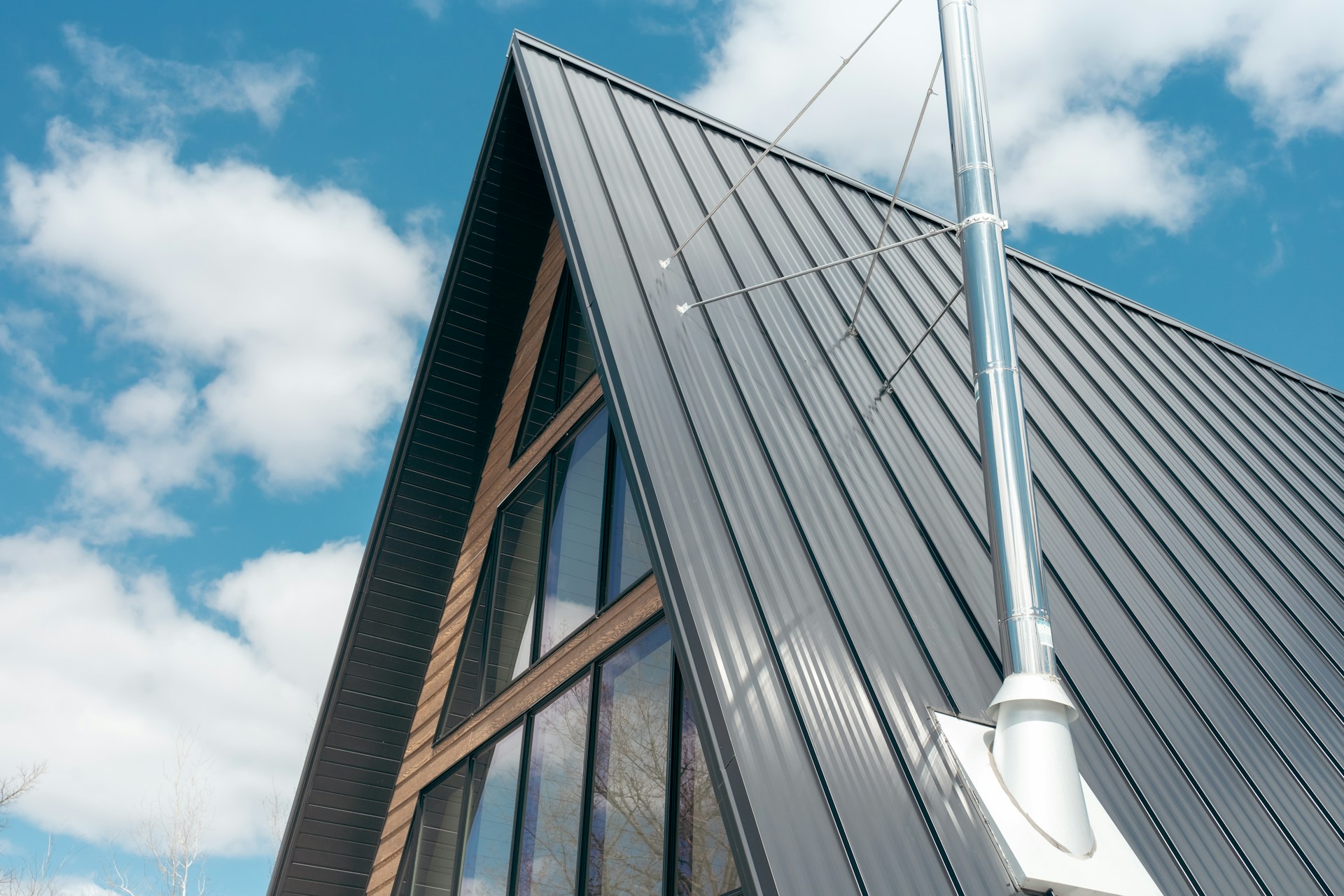
Winter in Rapid City can be tough on metal roofs. Between heavy snow, freezing temperatures, and sharp wind gusts, these roofs take a beating without always showing it right away. As we move into late February, it’s a smart time to give the roof a good look before spring weather adds new stress. That’s where a metal roof repair contractor comes in.
Metal roofs are strong, but they still shift and flex with the seasons. Getting ahead of spring’s big temperature swings helps prevent small problems from growing into larger repairs. If winter has left behind any signs of wear, it’s better to catch them now than when early rains hit in March.
Inspecting for Late-Winter Damage
Once the snow starts to melt, what’s been hiding up there begins to reveal itself. We start by looking for places where the cold might’ve loosened things up or pushed materials out of place.
• Fasteners are a big one. They can back out slightly from repeated freezing and thawing. Even a little movement can allow water to creep in.
• Panels sometimes warp or buckle when cold air contracts the metal unevenly. That can lead to stress where they overlap or meet seams.
• Worn-out sealants around screws, vents, or skylights may crack over winter and stop doing their job by spring.
Edge damage is another thing that sneaks in quietly. Ice buildup or strong wind gusts can lift or shift the roof’s edge panels. It may not be noticeable from the ground, but it can let water work its way underneath.
We also pay close attention to what’s going on underneath. Warm attic air can melt snow on the roof unevenly, causing ice dams at the edges. That trapped moisture might leak through nail holes or seams. A quick attic inspection helps spot signs like moisture stains, dripping water, or insulation that’s starting to clump.
RainTite Roofing & Construction is equipped to inspect, repair, and restore metal roofing using premium-grade panels and weatherproofing methods suited for Rapid City’s harsh climate.
Preparing the Roof for Warm Weather Expansion
Spring doesn’t just bring sunshine. It brings expansion. As metal heats up, it naturally expands, and that movement needs room or flexibility. The trouble is, winter can leave things too tight or misaligned.
• If panels got dented by ice or tree limbs, they might not flex the way they should come spring.
• Gaps or loose seams let moisture sneak under the surface, especially when metal pans start moving more with warmer temperatures.
• Fasteners that backed out in winter could stop holding strong when the panels start to stretch.
That’s why we don’t wait. Repairs made now, like replacing fasteners, flattening dents, or resealing vulnerable spots, give the roof more room to breathe. When expansion starts, the whole system adjusts properly instead of breaking down where it’s already weakened.
Our team offers flexible scheduling and thorough post-winter evaluations. We can handle both minor tune-ups and more involved reinforcements on metal roof systems.
Clearing and Rechecking Gutters and Drainage
Gutters and downspouts work harder at the end of winter than most people realize. With snow melting during the day and refreezing at night, drainage can clog or pull loose. That backup sends water back toward the roofline instead of away from the house.
We take a hands-on look to make sure nothing’s come loose or sagged under icicles. Drains and scuppers need to be clear so melting snow has somewhere to go. When water can’t drain properly, it finds its own path, often under metal edges or into the fascia.
Rechecking the flashing is part of this job, too. It’s common for winter movement to nudge flashing out of place, especially around chimneys or wall junctions. If we don’t catch it now, early spring rain can make quick work of those weak spots.
Planning Next Steps Based on What Was Found
After we finish a full inspection, what happens next depends on what we found. Some roofs just need small tune-ups, tightening fasteners, brushing away debris, or sealing a minor crack with weather-proof materials.
If we uncover something more serious and it’s still too wet or cold to do a full repair, we’ll focus on protection. That might mean temporary coatings or stopgap flashing work to hold things over until it’s safe to return. Depending on how early spring snow or rain hits Rapid City, we might plan to come back after a few dry days open up in March.
In other cases, the roof is mostly solid, but a few areas might need watching. We’ll make a note to follow up once spring settles in and the roof stops shifting as much.
The Payoff of Early Roof Readiness
Getting the roof ready now is a small step that saves big headaches later. Spring storms can dump a lot of water in a short time, and your roof needs to be one step ahead of it. That’s only possible if we deal with the winter wear now, before it snowballs into something worse.
Late February is a turning point. Temperatures rise just enough to start inspections and make smart repairs. By getting up there early, we catch things that would’ve gone unnoticed until water shows up inside.
Hiring a metal roof repair contractor now helps make sure your home is ready to take on the season, instead of reacting to it. Good prep gives your roof a smoother ride from now through the spring showers still to come.
Winter weather can leave hidden damage on your roof, so booking an inspection now can prevent costly leaks during the spring rains. Our team at RainTite Roofing & Construction is here to help Rapid City homeowners identify issues and make repairs. Choosing a reliable metal roof repair contractor gives you peace of mind that your roof will be ready for the season ahead. Call us today to schedule your inspection.