Winter doesn’t take it easy on metal roofs, especially in places like Rapid City where snow, wind, and long freeze-thaw cycles are part of daily life. When you’re dealing with short days and cold temperatures, roof issues can go from minor cracks to major leaks fast. That’s where working with a metal roof repair company during winter comes into play. These crews handle things differently this time of year, so knowing what to expect can help you prepare for the process. If you’re calling someone out in January or February, here’s what goes into making those repairs count and how to avoid setbacks as spring gets closer.
Winter-Specific Roofing Concerns to Pay Attention To
Once the snow starts sticking around, issues on a metal roof tend to build quietly. It’s not always obvious from the ground what’s happening above, even if something is wrong. But there are a few early signs and winter-specific problems that tend to show up more often.
• Freeze-thaw cycles can cause hidden cracks to grow. As ice forms, melts, and refreezes, seams can pull apart and water can sneak into places it shouldn’t.
• Metal edges or clasp systems may loosen slightly over time, which means snowmelt may leak through when it warms up, even if it didn’t leak before.
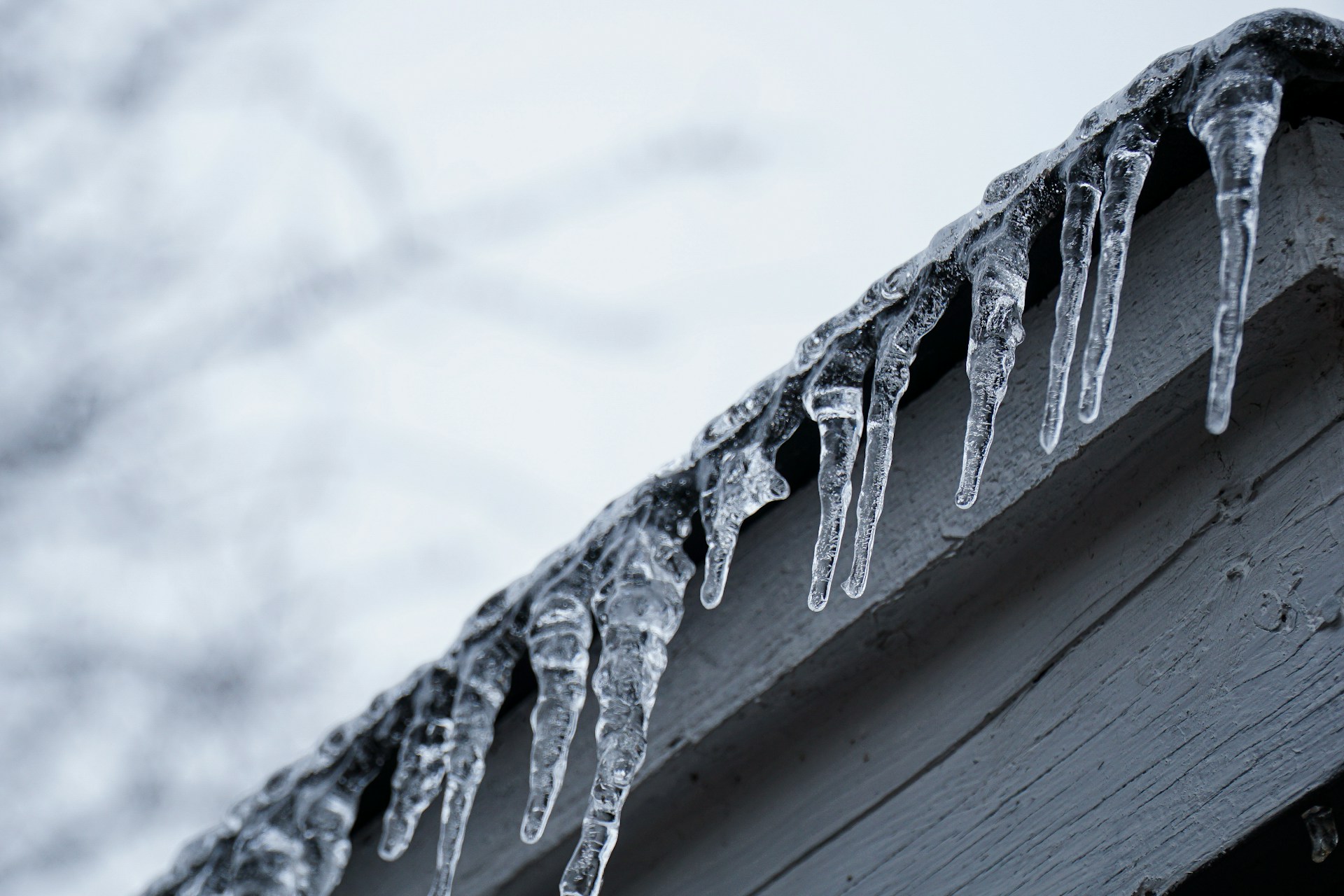
• Ice dams along the roofline can block natural drainage, trapping water behind them and leading to rust or water buildup where it shouldn’t be.
• Snow drifts can pile higher than normal in areas with exposure, putting extra pressure on nails, screws, or clips that aren’t fully secure.
It’s much better to catch these issues before the bulk of snowmelt kicks in, since that’s when small gaps turn into big leaks.
What Qualified Crews Bring to Cold-Weather Repairs
Getting repairs done in the cold takes more than ladders and sealant. Crews working on metal roofs in the winter need both experience and the right gear to get the job done safely and right the first time.
• Wet or icy surfaces turn smooth metal into a slip zone. Qualified crews bring non-slip footwear, tether systems, and built-in safety lines for cold-weather conditions.
• Tools and repair materials behave differently when it’s below freezing. Some need to be warmed before use, and others won’t set well unless conditions are dry and above a certain temp.
• Daytime sun can soften roof surfaces or melt patches of snow, helping schedule work during the warmest hours of the day.
Instead of rushing through a fix, smart teams work with the weather, not against it. They adjust their timing and methods depending on when and where the sun hits the surface and how safe it is to complete each step.
Communication and Job Timing During Late Winter
Late winter jobs aren’t always predictable. Some days bring perfect conditions, and other days, crews are locked out by snowstorms or single-digit temps. That’s where clear planning and constant communication become more important than ever.
• Start times or work windows can shift depending on weather, so it’s common for timeframes to be more flexible in February or early March.
• Crews won’t always be able to finish everything in one visit. If the roof ices back over overnight, it might slow progress the next day.
• A reliable metal roof repair company will stay in touch along the way, giving updates or changes as things unfold.
Even something as simple as overnight frost can stall adhesives or make working conditions unsafe. When you’re working on a roof during variable winter days, short check-ins and updated plans build trust and help avoid any surprises.
We bring this transparency to every job, making sure you know what’s happening and when, no matter how unpredictable the weather gets in Rapid City.
Materials and Techniques That Work Better in Cold Conditions
Not every sealant, patch, or joint repair works well in colder months. Materials get stiff or brittle, and wet surfaces make bonding difficult. That’s why some repairs are done differently in January than they would be in June.
• Cold-tolerant adhesives stay flexible even when chilled, which helps prevent new cracking once the repaired parts expand in warmer weather.
• Metal patches often need pre-warming before application, especially if the sun hasn’t hit that section of the roof by midday.
• Repair crews may use fast-acting drying materials or spot heaters to clear ice or snow when needed.
It’s common to see small warming tents, heat tape, or plastic coverings to help create a dry space before the fix goes on. Without that prep, patches might not last more than a few weeks. Even something as simple as removing moisture from a seam can make a big difference in how well the repair holds until spring.
At RainTite Roofing & Construction, we use materials and techniques specifically rated for cold weather applications, ensuring that repairs last through severe conditions.
What Happens After the Work is Done
Once a job is complete, there’s still work to do to protect the area and avoid problems once things start to thaw out. Just because a roof looks solid from the ground doesn’t mean follow-up should be skipped.
• Snow-covered work zones need to be cleaned carefully. That usually means picking up tools, pulling down equipment, and checking for fasteners that can disappear into drifts and reappear in walkways.
• A good winter roof fix should last through to spring, but timing matters. Some materials hold up better for quick fixes while others might wait for a full repair once things warm up more.
• When the snow finally melts in late March, it’s smart to schedule a walkaround and repeat inspection to spot any areas that need touch-ups.
Getting a roof patched in February is a win, but it’s only part of the bigger picture. The real goal is making sure everything stays stable when the ice lets go and the water starts running.
Be Ready for a Safer, Stronger Roof Before Spring
Winters in Rapid City aren’t known for being gentle. And when a roof problem shows up in the cold, waiting usually isn’t the smart play. Building owners who act before the spring thaw protect both the structure under the roof and the people who count on it.
Hiring a metal roof repair company during winter brings extra care, special materials, and flexible planning. It’s not business as usual, but that’s the point. These winter fixes create a buffer against rising spring water levels and save bigger issues from showing up once the snow disappears. Small gaps get fixed before warm air hits. Leaks are sealed before they spread. And the roof is ready for whatever the next season brings.
Winter weather in Rapid City can take a toll on your building, so taking care of repairs now helps keep your structure protected through the last storms of the season. We’ve seen firsthand how early action can make the process simpler and prevent larger issues from developing. By partnering with a trusted metal roof repair company, you get ahead of problems before temperatures rise. At RainTite Roofing & Construction, we’re here to help you set your winter roofing priorities and schedule repairs that work for you. Give us a call today to get started.