Winter hits Rapid City hard every year, and a neglected roof can turn small issues into costly headaches fast. If you haven’t checked your roof yet, this late fall roof checklist is exactly what you need to catch problems before snow piles up. From spotting asphalt shingle damage signs to making sure your gutters are clear, these tips will help you get winter-ready without the guesswork. Keep reading to protect your home with a Rapid City roof inspection you can trust. For more tips, check out this fall roofing checklist.
Essential Roof Inspection Steps
Getting your roof ready for winter involves several key steps. Each helps ensure your home stays safe and warm even in the harshest conditions.
Inspect Shingles and Flashing
Start by checking your shingles. Look for missing or curled pieces. These can let water in, causing damage. Pay close attention to the flashing around chimneys and vents. This is where leaks often start. Feeling unsure? A Rapid City roofing contractor can help.
Check Gutters and Downspouts
Gutters carry rain and melted snow away from your home. Make sure they aren’t clogged. Leaves and debris can block them, causing water to back up. This might lead to leaks or ice dams. When clearing them, ensure downspouts direct water far from your foundation.
Evaluate Attic Ventilation
A well-ventilated attic keeps your roof in good shape. It prevents moisture build-up and helps regulate temperature. Check for signs of poor ventilation like mold or warped wood. Improving airflow can extend your roof’s life and reduce energy costs.
Common Roof Issues to Address
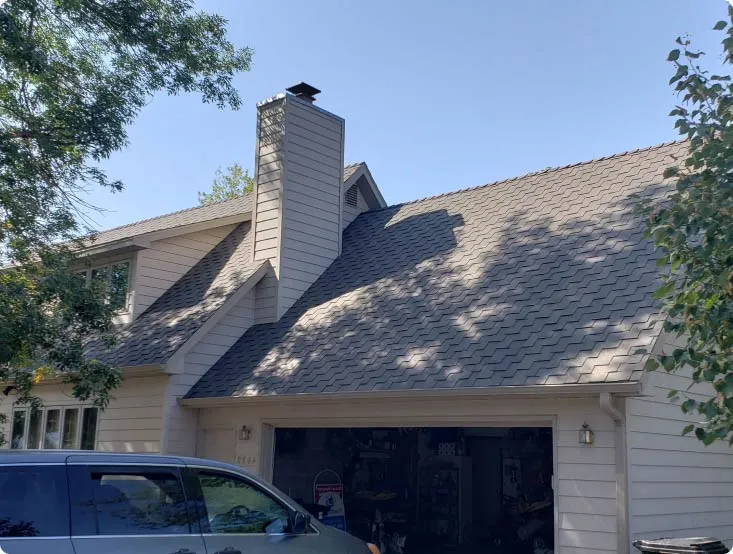
Winter can magnify existing problems. Knowing what to look for now can save you trouble later.
Identifying Hail Damage
Hail can leave dents and cracks in shingles. Check for these signs after a storm. Dented metal can also be a clue. If you spot anything suspicious, a hail damage repair expert in Rapid City can assess the damage.
Repairing Roof Flashing
Flashing keeps water from seeping into your home. If it’s loose or missing, you need to fix it right away. Check areas where the roof meets walls and around chimneys. Sealing these spots can prevent costly repairs down the road.
Preventing Ice Dams
Ice dams form when snow melts and refreezes near the edge of your roof. This blocks drainage, causing leaks. To prevent them, ensure your attic is well-insulated and ventilated. Keeping a uniform roof temperature helps keep ice dams at bay.
Pre-Winter Maintenance Tips
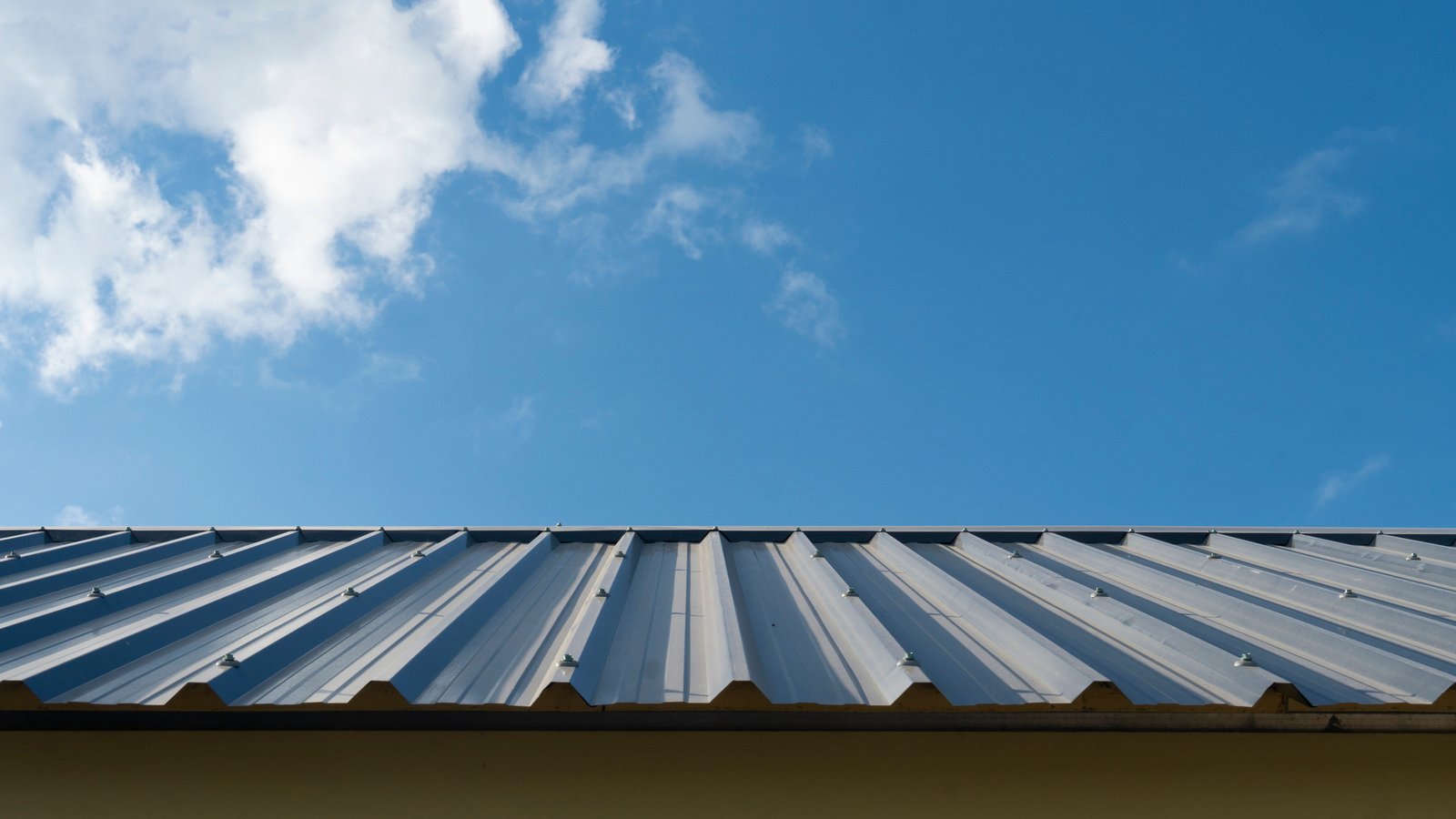
Taking care of a few maintenance tasks now can make a big difference as temperatures drop.
Gutter Cleaning Strategies
Cleaning your gutters is crucial. Use a scoop to remove debris and wash the gutters out with a hose. Installing gutter guards can also help prevent clogs. Regular maintenance ensures water flows freely away from your home.
Insulation and Ventilation Checks
Check your attic’s insulation. It should cover the floor evenly with no gaps. Poor insulation can lead to higher energy bills and ice dams. Ensuring proper ventilation will also keep your attic dry and your roof healthy.
Preparing for Insurance Claims
If winter storms damage your roof, knowing how to handle insurance claims is key. Document all damage with photos. Contact your insurer right away. A storm damage roofing expert can help guide you through the process.
Frequently Asked Questions
What are asphalt shingle damage signs?
Look for missing, curled, or cracked shingles. These issues can lead to leaks if not addressed.
How can I prevent ice dams?
Ensure your attic is properly insulated and ventilated. This helps maintain a consistent roof temperature, preventing ice from forming.
Do I need professional help to inspect my roof?
While you can do a basic check yourself, a professional inspection can catch issues you might miss and provide peace of mind.
How often should I clean my gutters?
Gutters should be cleaned at least twice a year: once in the spring and once in the fall, or more often if your home is surrounded by trees.
Can hail damage affect my roof’s warranty?
It might, depending on your warranty terms. Check with your manufacturer or a local roofing company for details.