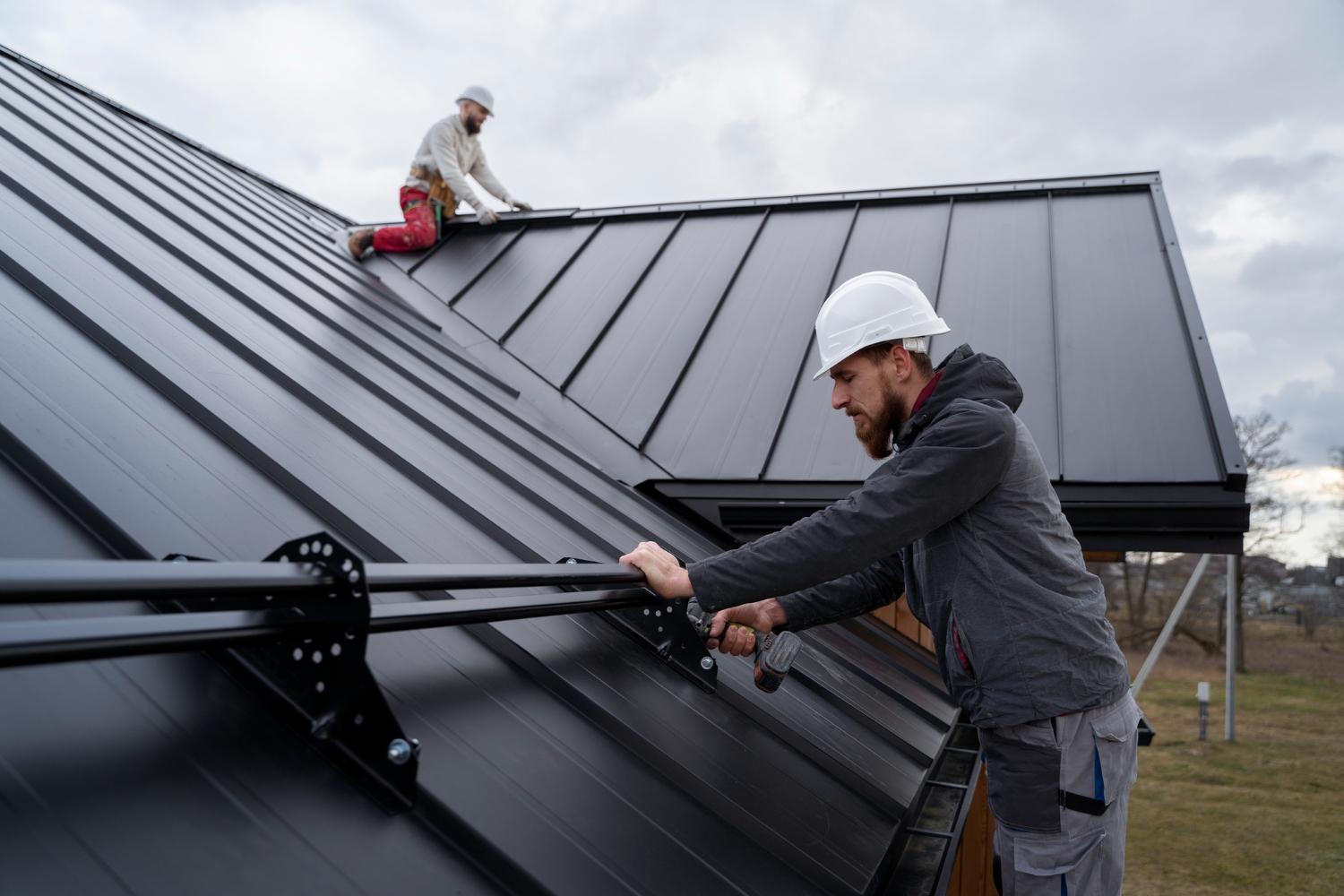
Having a metal roof can be one of the best choices for homes in Rapid City, especially when it comes to durability and long-term performance. But just because a roof is made of metal doesn’t mean it’s safe from problems. Tiny gaps in that metal can form over time. You might not see them at first, but the damage they can cause sneaks in fast. What starts as a small issue can grow into something that’s expensive and stressful if ignored for too long.
This is especially true with standing seam metal roofs. These popular systems are known for their strength and clean look, but when gaps appear between seams or around fasteners, you could be dealing with leaks, higher energy bills, and even structural wear. With winter settling in by December, any moisture that sneaks in can freeze, expand, and make everything worse. Snow and wind conditions common in Rapid City only make the problem bigger. Here’s what really causes these gaps, and why acting quickly is the smarter choice.
Why Gaps in Metal Roofs Occur
Even strong roofing materials shift with temperature. Metal roofs expand when it’s hot and shrink when it’s cold. This constant movement can pull seams apart or loosen panels. Add in Rapid City’s wide swings in weather, and that wear becomes even more common.
Another reason gaps show up is poor installation. If the panels weren’t secured or aligned correctly when first installed, small issues might pop up sooner than expected. Loose fasteners, poorly sealed flashing, or corners that pull apart with seasonal movement are all signs something may not have been done right from the start.
Other common causes of these gaps include:
– Aging materials that dry out or lose flexibility
– Wind that shakes or lifts parts of the roof
– Ice or packed snow pressing against the joints
– Hail striking and shifting panels or fasteners
In one case we found, snowmelt worked its way into a small seam near a vent. By spring, the attic was damp, insulation was soggy, and mold had set in. Fixing that one area right away could have prevented a full attic tear-out.
Even well-installed roofs benefit from regular checkups. Looking things over each fall and spring helps spot issues before they grow. Treat your roof like other critical systems in your home. Just like tuning up your furnace, spotting roof wear early can save you from expensive repairs during bad weather.
How Small Gaps Turn Into Big Problems
Tiny gaps might seem harmless, but over time they can grow into serious headaches. When water gets through seams or around loose fasteners, it travels downward fast. Once underneath panels, that moisture soaks insulation, discolors drywall, and can rot wooden frames. All this adds up quickly.
Winter adds another layer of risk. In Rapid City, snow is heavy and melts quickly on warmer days. When that water freezes again at night, it expands in any space it finds. This includes small roof gaps, where ice forces things wider every time it refreezes. That constant pressure can twist metal panels and widen separation points, so the damage keeps spreading.
Leaks are just the beginning. Moisture inside roofing systems leads to rust, which wears down fasteners and edges. Structural supports can weaken over time, even without visible signs from the outside. Often, homeowners won’t notice trouble until energy bills rise or indoor ceilings show brown spots.
Here’s what could happen when those small gaps get missed:
– Soaked attic insulation that makes your HVAC work overtime
– Mold behind walls and ceilings due to hidden drips
– Water-stained ceilings from long-term leaks
– Wood rot in rafters or support beams
– Rising energy costs from air escaping through roof gaps
Ignoring these small issues can turn your roofing system into an open door for winter disasters.
Signs That Point to Gaps in Your Metal Roof
Spotting warning signs early can help you avoid the biggest headaches. While some clues show up outside, others reveal themselves inside your home. Here are common signs that your standing seam metal roof may have developed gaps:
– Sunlight visible through seams or roof joints
– Rust forming near screws, flashing, or seam edges
– Water marks on walls or ceilings, especially after snow melts
– Unusual spikes in heating or cooling costs
– Drafts or odd airflow near the ceiling
– Rattling, lifting, or shifting panels when it’s windy
– Peeling paint or warped drywall near rooflines
We once had a customer in Rapid City who noticed just a small water stain on the ceiling over their kitchen. That single mark turned out to be just the tip of the damage. By the time the drywall was removed, we found water had been traveling along a roof beam for months from a tiny seam opening on the backside of the roof. Caught sooner, it would’ve been a minor seal job.
It’s this kind of slow, hidden damage that makes gap inspection so important. Fixing a visible leak is one thing, but catching what hasn’t been seen yet is where the real value lies.
Why Professional Repair Is Worth the Call
At first glance, closing a gap might look like a quick fix. But with standing seam metal roofing, it’s not as simple as applying a patch and hoping for the best. These systems rely on precision fitting, specific materials, and expert sealing methods. If a repair isn’t done correctly, the gap could open again even worse—or the repair could void any existing warranty.
That’s where professional help makes a difference. A trained roofing expert knows how to examine areas you wouldn’t usually think to check. Fasteners, flashing, seam overlays, and even panel alignment all play a part. By using the right tools and techniques, professionals can make surgical repairs that not only solve the issue but help extend the life of your roof.
Here’s what a typical service visit involves:
1. Visual walkthrough across all seams and connection points
2. Moisture and thermal scanning to spot hidden leaks or heat loss
3. Removing corroded or compromised fasteners
4. Resealing trouble zones with commercial-grade materials
5. Refastening or replacing panels, when needed, for full alignment
Repairs don’t always mean replacing entire panels or taking off half the roof. In most cases, if problems are caught early, focused repairs will do the job. Replacements only become necessary if the structure beneath has been heavily affected or if rust and wear are too far along. The point is to treat the issue before that happens.
Keep Your Roof Solid and Secure in Rapid City
There’s a lot to love about a standing seam metal roof. They’re tough, sleek, and built to last. But they’re not invincible. Once gaps begin to form, the clock starts ticking. Left alone, those small opening points can create a chain reaction of costly issues.
If your home in Rapid City has faced snow, strong winds, or icy conditions recently, it’s worth checking your roof’s health. Gaps don’t always announce themselves right away, so staying ahead with regular inspections and professional repairs saves time, stress, and money down the line.
Your roof is one of your home’s biggest protectors. Keeping it sealed, dry, and secure throughout all seasons helps you avoid emergencies. Address small issues while they’re still manageable. That way, you can enjoy all the benefits of your metal roof—without the surprise repair bills.
When your roof starts making odd noises, it’s often a sign that something underneath needs attention. If you’ve noticed anything unusual and suspect a loose panel or a problem with air leaks, it might be time to have it checked. Learn how issues like these can be addressed with a professional inspection by exploring what we offer for a standing seam metal roof in Rapid City. RainTite Roofing & Construction is here to help keep your home safe and sound through the seasons.