
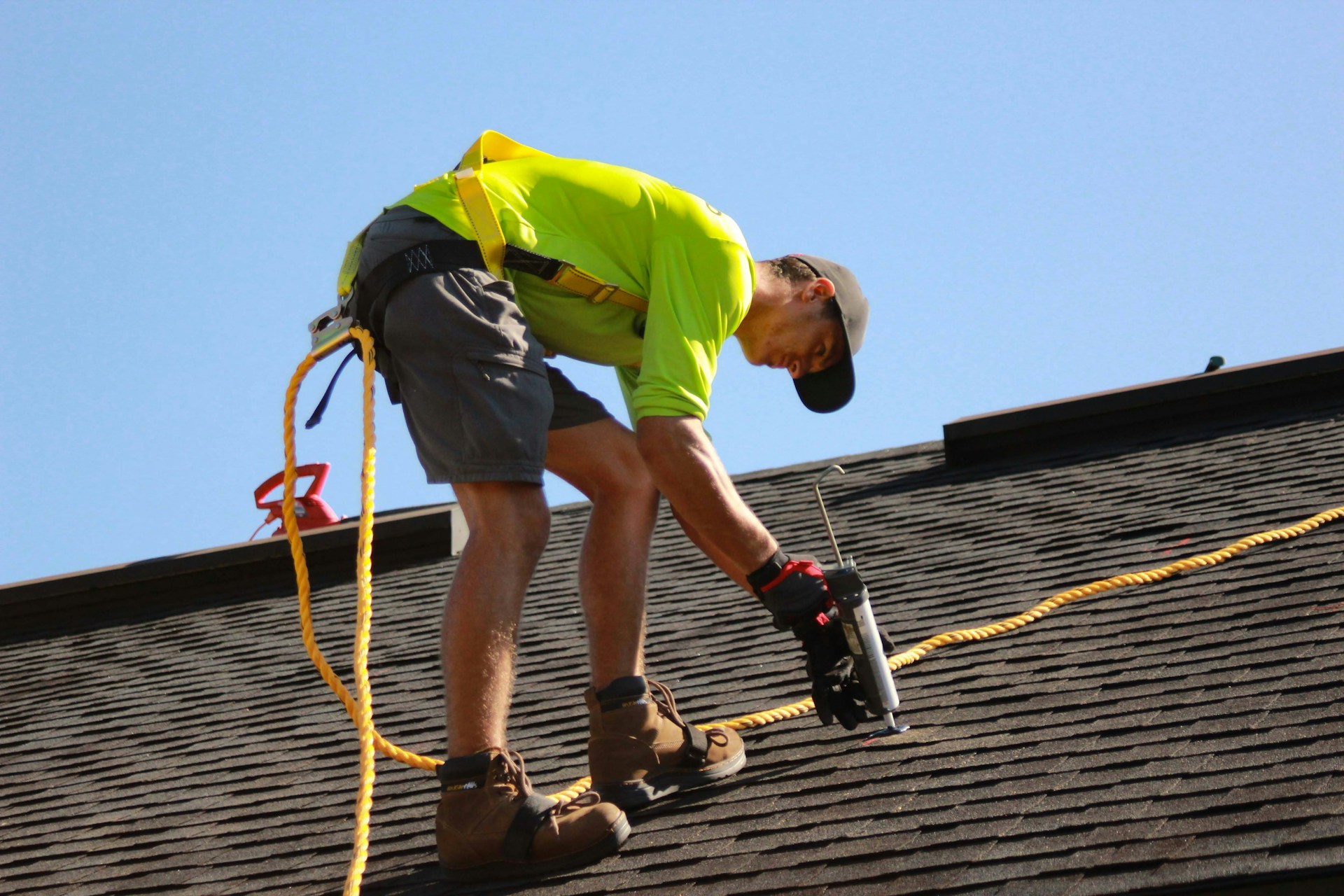
Early spring in Rapid City can be a mix of sunshine, drizzle, and leftover snow melting off rooftops. But when the rain picks up, that is when roof damage from earlier hail starts to show itself. You may not hear a leak, see a missing shingle, or notice an issue right away. That is exactly how hail damage works, it builds quietly under the surface.
Spring rains do not give a lot of warning. If hail hit your home during winter, now is the time to act before water finds its way in. Starting hail damage roof repair early helps prevent leaks, mold, and surprise repairs when April storms arrive in full swing. It makes sense to get ahead of these weather patterns, since once water starts to seep in, repairs can quickly become much more complicated and costly. For many homeowners, seeing the signs isn’t as obvious as a missing shingle or clear hole in the roof. Often, by the time the damage becomes unmistakable, it has already led to unwanted moisture or decay.
Getting a jump start gives you options on timing, materials, and scheduling before contractors get booked solid. When handled early, repairs are faster, less expensive, and much less stressful than dealing with post-storm emergencies.
Spotting Signs of Hail Damage After Winter
Not all damage is loud or obvious. Many signs show up in small ways, often from the ground. We always recommend letting professionals walk the roof, but there is a lot you can catch just by looking closely around your property.
- Look at your gutters and downspouts for dents or bent edges
- Check the ground near your home for granules from asphalt shingles or bits of broken roofing
- Scan your siding and window frames to see if anything looks cracked or dinged
- Pay attention indoors. Water stains on ceilings or damp areas in your attic may point to roof trouble
These early clues can help figure out how hard your home was hit and give a better idea if deeper inspection is needed. While these signs can seem minor at first, even subtle marks can reveal a bigger problem. Things like small dents or cracks under the gutters, slightly bruised shingles, or faint marks on metal surfaces might signal points where hail has weakened the roof.
Sometimes, damage is hidden, for example, a shingle can appear fine from below but have lost enough granules to lose its protective layer. In these cases, leaks may not show up until the next heavy rain or windstorm. That is why the smallest changes still matter. Even if you doubt if it is serious, a professional eye can spot risk spots early and keep damage from spreading.
What Happens if Hail Damage Is Left Alone
It is easy to look at a roof and assume everything is fine after a hailstorm, especially if nothing is dripping. But small dents or cracks in shingles can open the door for bigger problems once rain settles in. Letting the time slide after hailstorms and not checking up can allow roof damage to grow quietly.
- Gaps and holes in shingles let moisture get under the surface, often without much warning
- Once inside, water can soak roof boards, ruin insulation, or start growing mold
- Over time, the weight of water adds strain to the structure, especially around vents, valleys, and flashing
Even if nothing seems off right away, water starts moving under layers and into wood supports. Each rain that follows undetected damage pushes more moisture deeper into the structure. The result can be soft areas in the roof deck, slow leaks that ruin ceilings, or mold growth in dark attic corners. These are problems that get bigger with time.
Hail can also scar roofing materials, making them brittle or less able to shed water. When ignored, that leads to shingles breaking down faster, and the roofing system loses its ability to protect the home. The sooner you spot and address a weakness, the less likely you are to need major repairs or face big interior fixes later on. Fast action literally extends the lifespan of your roof.
What Goes Into a Spring Roof Inspection
A spring inspection after a hail-heavy winter should be focused, detailed, and done before the rain settles in for the season. What we look for goes far beyond what is visible from the ground.
- Shingle damage, especially around edges or near previous repairs
- Flashing where chimneys, skylights, or vents meet the roof, these areas are often where leaks start
- Sealants or caulking that may have cracked during winter freeze-thaw cycles
- Roof deck movement, sagging, or signs that water has touched places it should not
Inspectors look for both surface damage and hidden weaknesses. They check all sloped and flat sections, pay extra attention to transition areas, and check for rust on metal details. They test seals by gently lifting edges and look for any section that is even slightly raised or uneven. It is about catching trouble before it travels any further.
A good inspection report will include photos and clear explanations of each issue found, big or small. This helps you understand where your roof might need patching, full shingle replacement, or even insurance support. Being proactive means you have time to choose a plan, compare costs, and coordinate repairs early, which can save time and money overall.
Getting on the calendar early keeps your spot secure while everyone else is still thawing out their driveways. Waiting too long could push your repair back just when more storms are on the way. Spring is always a busy time for professionals, and having your inspection done right away gives flexibility instead of feeling rushed later.
RainTite Roofing & Construction provides hail damage roof inspection, leak repair, and insurance claim assistance in Rapid City. Our team is skilled in thorough hail damage assessments and all repairs use materials specified for the South Dakota climate.
Choosing the Right Help for the Job
Not all repairs are the same, and skimming over damage might cost more in the long run. That is why we focus on the full condition of the roof, not just putting a quick fix over a soft spot.
- Local know-how matters, especially when Rapid City hail tends to come with strong wind
- We look for signs of past work holding up or failing under recent storms
- Repairs should come with clear explanations, prompt scheduling, and no short-term patch jobs
Each shingle, fastener, and flashing detail works together as part of a system. Fixing hail damage should focus on making sure that system is whole again. Local professionals are familiar with the area’s building codes, insurance processes, and have seen how quickly weather can turn. Experience with regional storms means they know the warning signs and how to prepare the roof for what is likely to come next.
The best repair jobs do not just mask old problems, they get to the root of it and make sure the structure underneath is ready for another year of changing weather. Trustworthy teams give updates through each step, answer your questions openly, and stand by the work once storms test their repairs.
A skilled contractor will give you a simple timeline and walk you through every step. That way, you are not left in the dark or surprised by hidden costs or work delays. Real roof repairs come from solid planning, attention to detail, and a thorough knowledge of all the hidden places that hail can reach. Choosing someone who checks every box gives you confidence and peace of mind throughout spring and summer.
A Strong Roof Before the Storms
When your roof has been checked and any weakness repaired, the whole house benefits. Spring storms do not wait, and a single leak can start a ripple of problems indoors.
Starting hail damage roof repair before spring rains pick up lowers the risk of water creeping under the surface. It is easier and more affordable to fix now than to dry out an attic later. Having the roof checked and tuned up early brings confidence, knowing the next round of wind and rain will not catch you off guard.
Homes with strong roofing systems stay comfortable and dry no matter how severe the weather might get outside. Early repairs help protect paint, furniture, and the comfort of everyone living or working inside. Looking out for trouble before it starts is one of the wisest moves you can make as a homeowner.
It can be hard to judge when to call someone in, but if you notice loose material in your yard, see water spots on your upper-floor ceilings, or just have a suspicion based on last winter’s hail activity, it’s a good idea to reach out. Trust that protecting the roof now leads to far less stress down the road, especially with Rapid City’s unpredictable springs.
At RainTite Roofing & Construction, we understand how Rapid City spring storms can quickly turn minor roof damage into major problems. Acting fast helps protect your home before water intrusion becomes an issue. Noticing dents in your gutters or shingle debris in your yard means it is time for a professional inspection. We take care of every step of your hail damage roof repair with a focus on strength and preparation for the next storm. Contact us today and let us get your roof ready before the rain arrives.