Spring weather in Rapid City can change fast. One day it’s sunny. The next brings cold rain or even hail. Early April is when we start shifting from snow to storms, and that’s when it helps to take a good look at the roof. After a tough winter, lots of damage stays hidden until the weather warms up just enough for loose shingles to lift or cracks to start showing.
Now is a smart time to think about hail damage roof inspection. These storms don’t always leave obvious marks right away. A closer check can catch problems before they grow. That way, we’re not caught off guard when the next round of bad weather comes through.
Why Spring is Prime Time for Roof Inspections
Spring isn’t kind to roofs. The freeze and thaw cycle that comes with Rapid City winters can stress materials in ways we don’t fully see until temperatures rise. Water gets into small gaps, freezes overnight, then melts again the next day. That back and forth causes shifts where shingles pull up or nails back out.
Hailstorms tend to show up more often in spring months. Checking for weak spots early can keep those storms from making things worse. We’ve seen how one small gap left from winter becomes a serious leak after the first hard hit of hail.
There’s another benefit too. April brings enough dry days for us to safely walk the roof, look things over, and figure out what needs work. Once May rolls in, storms pick up and schedules get tighter. Getting ahead of that now can save a lot of stress later.
Top Signs That Point to Hail Damage
Hail doesn’t leave the same marks every time. Sometimes the damage is sharp and clear. Other times, it hides under a few layers or shows up as a slow leak weeks later. Still, there are several things we check right away when hail is suspected.
- Dents or crushed areas on asphalt shingles, especially near vents or roof ridges
- Bald spots where granules have been knocked off, exposing the layer beneath
- Soft patches on the roof where materials have loosened or lost strength
- Flashing that’s come loose around stacks, skylights, or chimney edges
- Hairline cracks along sealants that no longer keep water out
Even one or two of these signs matter. If there’s visible damage in one area, it usually means there’s more nearby that isn’t as easy to see from the ground.
What an Inspection Checklist Should Include
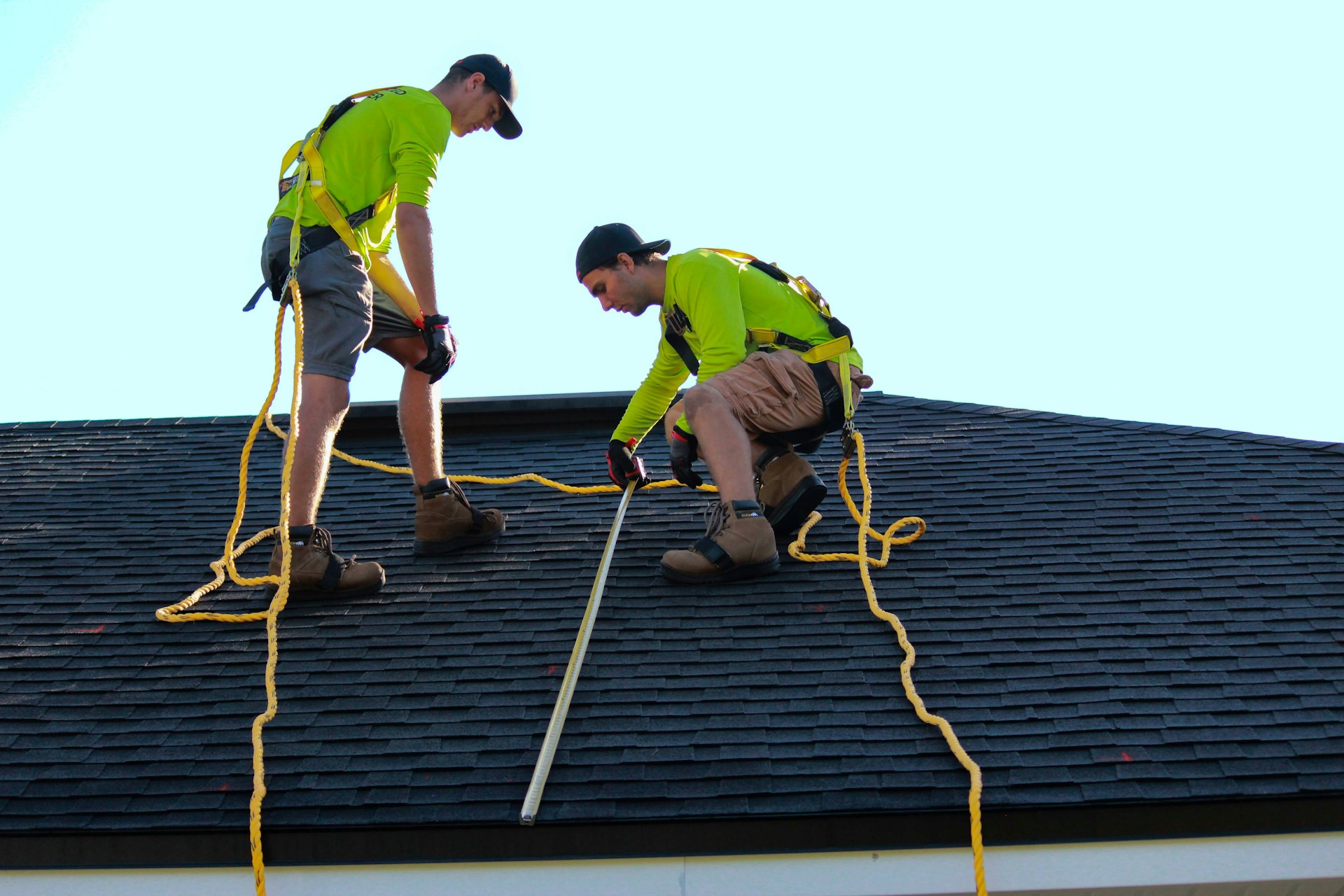
A good hail damage roof inspection doesn’t just look at the top surface. We dig deeper, inside and out, to make sure nothing got missed. That’s when smaller clues pop up and give us a better picture of what the roof’s really dealing with.
- Surface damage across shingles, fasteners, and flashing
- Attic areas checked for moisture trails, water stains, or visible light from gaps above
- Decking layers evaluated for soft spots or patchy insulation from water flow
- Drainage parts like gutters, downspouts, and fascia inspected for dents or loose trim
- Any debris that may be clogging valleys, slowing runoff, or forcing water sideways
Even gutters can show clear signs of roof damage. Hail that’s strong enough to dent metal or crack sealant will usually hit those spots too. When we inspect all these parts together, we get a better idea of what needs fixing and what held up well through the storm.
RainTite Roofing & Construction provides comprehensive hail damage roof inspection, insurance claim support, and repair services for Rapid City property owners. Our team checks for hidden leaks and structural damage and can make emergency repairs to help keep your roof ready for storms.
Why Professional Inspections Matter More Than Ever
There’s a lot the eye can miss from the ground. Even with binoculars or drone footage, it’s hard to feel soft decking or catch small shifts near vent boots and seams. That’s why having a trained set of eyes on the roof makes a real difference, especially after a rough winter or hail season.
We know where hail tends to hit hardest. Places like where the roof flattens slightly or at the base of flashing across chimney bricks. Some of the worst leaks we’ve seen started with damage so minor, you’d never guess it from outside.
A full inspection by professionals finds the spots homeowners often overlook, especially the early signs that could turn serious with one big storm. Catching that early means less damage, less cost, and fewer headaches once the weather picks up again.
Safer Roof, Quieter Season Ahead
More than once, we’ve found hail damage hiding in plain sight. Water didn’t show up inside until weeks after the storm hit. All that time, slow leaks were soaking into insulation or slipping down behind siding. That’s why we trust inspections early in the season, as things warm up but before spring storms get stronger.
April gives us that chance. It’s dry often enough, warm enough, and not yet overbooked with emergencies. A complete check now sets the roof up for whatever comes next. Whether it’s a light season or a busy one, it helps knowing the roof has already been reviewed from top to bottom.
If winter was rough or hail has already rolled through, now is the time to make sure the roof is still ready. Waiting could mean missing the chance to stop a real problem from spreading. Getting ahead now means peace of mind for the rest of spring.
Noticing signs of roof wear or recent storm damage? A ground-level inspection often misses hidden issues. Scheduling a professional hail damage roof inspection in Rapid City can help you catch problems early and avoid costly leaks. Our team at RainTite Roofing & Construction has the expertise to keep your property protected before spring arrives. Contact us today to get started.