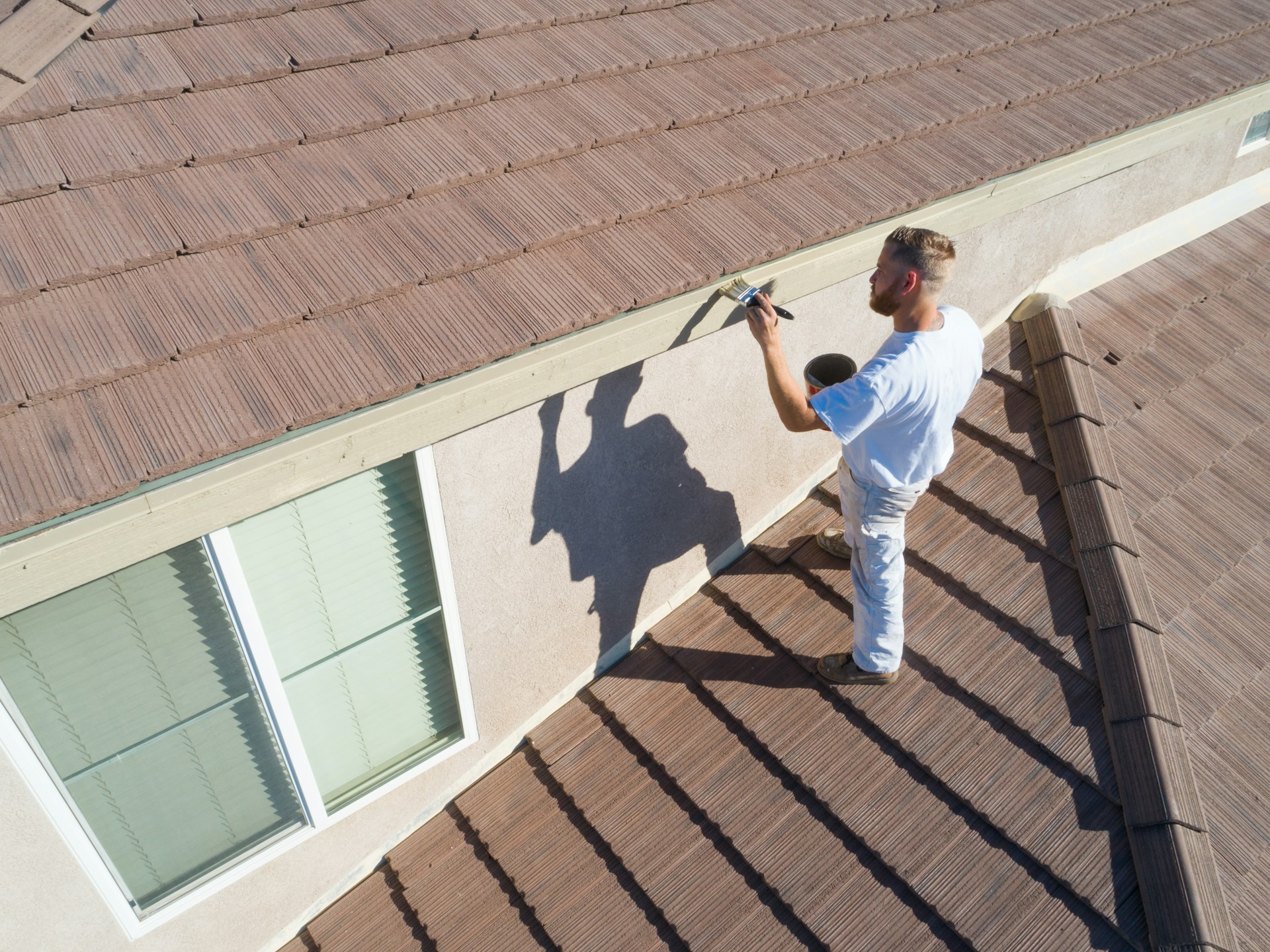
As winter winds down in Rapid City, roofs begin to reveal what the cold months left behind. Snow, ice, and heavy winds place a lot of pressure on roofing materials. What held up through January and February might start to crack, curl, or shift under the early signs of spring warmth. That’s why professional roof restoration makes a big difference this time of year. Getting repairs done in early March can stop problems from getting worse when the rain returns.
Waiting too long lets water sneak through cracks you can’t see right away. Patching things up now helps stretch the life of your roof and keeps your home or building more protected. The timing of the fix matters a lot more than people think. The earlier we take care of the damage, the better things hold up once spring really kicks in.
How Winter Leaves Behind Hidden Roof Damage
Snow might have melted, but it doesn’t mean your roof is in the clear. Cold-weather roofing problems often stay hidden until things warm up and water starts moving around more freely.
- Ice can collect under shingles or around flashing, especially near roof edges. When it melts, gaps start to form.
- Trapped moisture from earlier storms freezes and thaws again, pulling seams apart or buckling surface materials.
- Shingles that were borderline in fall may now be loose, cracked, or even missing.
The challenge is that much of this damage doesn’t show up clearly from the ground. It’s not uncommon for problems to stay quiet until the first spring rainfall soaks through and lets you know something’s off. Water spots on ceilings or soft walls often point to issues that started well before they showed up inside.
What Happens During a Professional Roof Restoration
When we do a spring restoration, we start by giving the roof a full look, not just fixing the obvious problems. We know how to check for early signs that your roof may not handle what’s coming next.
- We look for soft spots, loose materials, or areas where seams have separated.
- Any trouble areas get sealed, replaced, or reinforced to stop bigger problems before they begin.
- We often add or reapply protective coating layers that help shield everything from spring rain and UV rays as the weather improves.
A quality restoration uses what’s already there, grounding the surface and strengthening it. It’s not about swapping out the whole thing. It’s about getting back to a good starting point while avoiding larger repairs down the line.
RainTite Roofing & Construction provides residential and commercial roof restoration, using advanced coatings and repair materials rated for local weather patterns. We recommend thorough seasonal inspections and can repair metal and shingle roofs, coatings, and flashing throughout Rapid City.
Why Timing Matters Before Spring Rain Hits
March tends to bring both extremes in Rapid City. You get days that feel like winter and others where storms come rolling in like summer. That mix of temperature and moisture means things shift fast.
- Water from melting snow and seasonal rain can slip through tiny cracks if they’re not sealed up in time.
- Wet insulation, soft wood, or trapped air can cause mold or rot faster than many people realize.
- Loose nails or missing shingles might not seem like much, but water knows how to find weak spots.
We’ve seen how acting early, before moisture reclaims your roof, can stop major expenses or rebuilding efforts later. Late spring surprises happen to roofs that didn’t get checked when the season switched. Restoration is a smart way to prepare your home for what spring brings next and avoid being caught off guard.
Long-Term Benefits of Restoring Instead of Replacing
Roof restorations buy time without needing a full rip and rebuild. That’s especially useful after winter’s done its damage but before total failure has happened.
- Restoration lets you hold on to your current roof while reinforcing key spots for better performance.
- It usually causes less disruption since we’re not tearing everything down.
- You’re keeping insulation and current materials in place, which helps hold indoor temps steady heading into the warmer months.
A full roof replacement often isn’t needed just because winter did some damage. Restorations work for many years when done early and correctly. It’s about taking what’s still working and helping it last longer.
Signs It’s Time to Consider Roof Restoration
Most roof trouble shows up in ways homeowners don’t always recognize at first. It’s easy to miss small details that point to bigger risks underneath.
- Look out for sags between rafters or dips that weren’t there before the snow came.
- Small leaks, discolored ceiling spots, or damp insulation are all early red flags.
- Outside, watch for curled shingles, areas where nails are poking up, or puddles near vents and flashing.
- Coating layers that look faded, cracked, or bumpy could mean water isn’t being held back the way it should be.
If any of these show up near the start of spring, it’s worth acting fast. Weather won’t wait and water damage tends to spread once it finds a way in.
A Stronger Roof for Spring and Beyond
When we take care of the damage winter leaves behind, everything is better prepared for the changing season. Restored roofs stand up stronger to spring storms, unexpected winds, and growing temperature swings.
It’s not just about avoiding leaks this month. It’s about keeping roof systems stable through the coming summer, fall, and into next winter. When repairs are made at the right time, we help protect your home year-round, starting with what matters most in early spring.
Spring is the ideal season to address any signs of roof wear that may have developed over the winter. Scheduling a timely inspection helps prevent small issues from turning into costly repairs once the rains arrive. Our experts at RainTite Roofing & Construction focus on repairing weak spots and strengthening your roof efficiently and with minimal disruption. To learn what goes into a proper professional roof restoration, let us walk you through the process. Contact us today to schedule your spring checkup.