
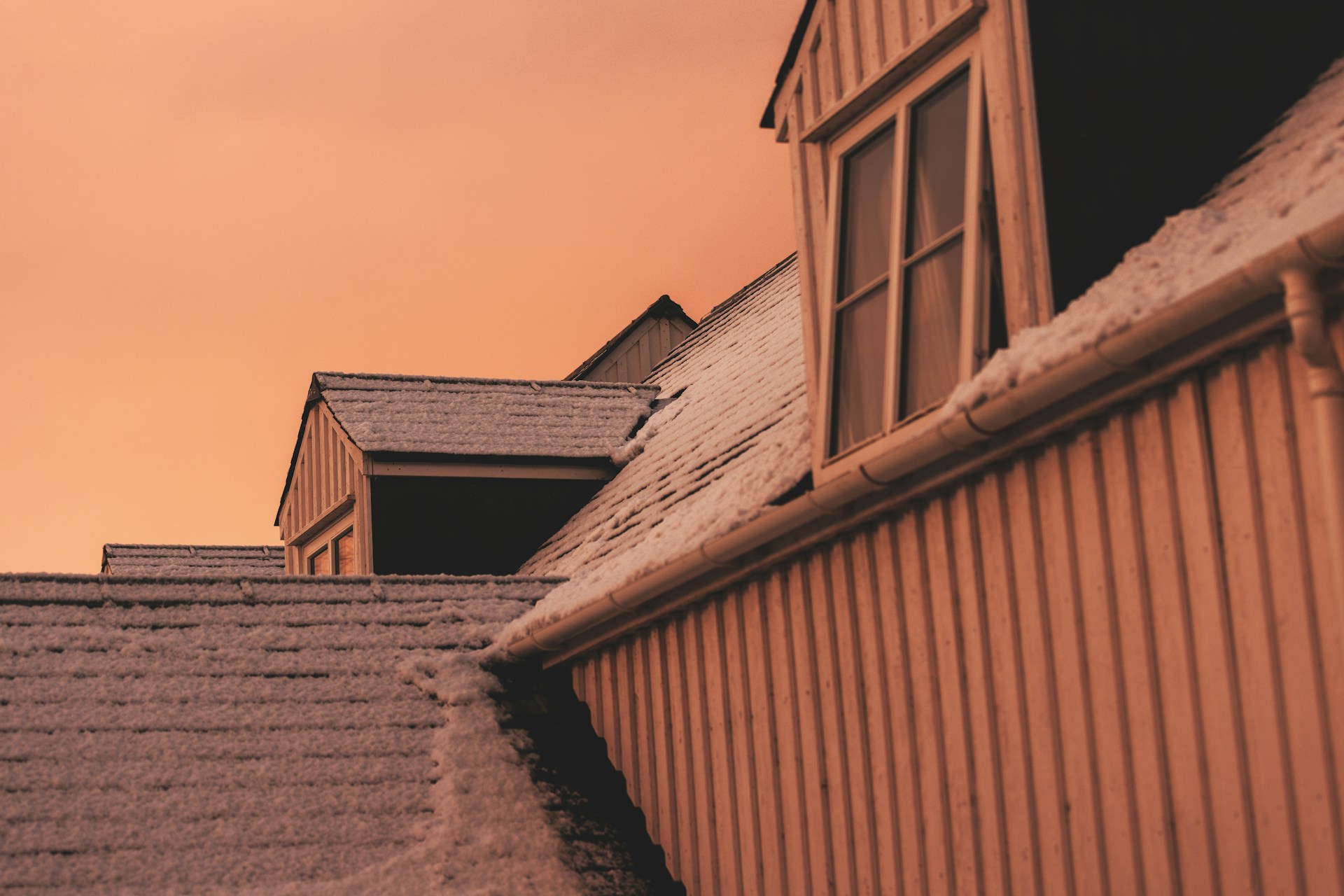
Winter in Rapid City can shift fast. One quiet afternoon can turn into a heavy snowstorm overnight, leaving roofs under more strain than usual. When snow piles up or ice begins to press into roof seams, damage often shows up without warning. That is where emergency roofing repair services come in. Acting quickly can make the difference between a small issue and major water damage inside the house.
We have seen problems happen fast, shingles disappearing, ceilings developing stains, or insulation soaking through. These are not just inconvenient. They can lead to much bigger repairs if ignored. Taking a closer look after each storm helps catch warning signs before things get worse.
Signs of Unexpected Roof Damage After Winter Storms
Sometimes roof damage hides in plain sight until you look closer. One day it is fine and the next, something feels off. The sooner we spot the warning signs, the easier it is to stop the problem from spreading.
• A few missing shingles or crooked panels are easy to overlook when the snow first melts. But even one missing piece can give water a way in.
• Ice dam build-up along the edge of the roof can push water under the surface, even if no shingles are torn. This kind of leak might start small, then work its way inside.
• Inside, signs like dark spots on ceilings, soft drywall, or a musty smell in the attic could all mean moisture is already creeping through weak spots.
Even if everything looks okay from the sidewalk, a change in how your home smells or reacts to weather can point to problems sitting just out of view. Winter storms do not always leave cleanup aboveground.
What Causes Roofs to Fail Mid-Winter
Roofs wear down slowly during rough seasons, but a sudden fail almost always starts with stress that has been building. Freezing temperatures alone do not cause the damage. It is when warm spells mix in that things shift and fail faster.
• When melting and freezing happen back-to-back, materials expand and contract. That weakens seams, pulls on flashings, and wears down the roof in places you cannot always see.
• Heavy snow does not just sag roofs, it adds continuous pressure. Over time, that weight affects how panels and shingles hold their shape. Materials pushed out of position stop channeling water the right way.
• Gusts of wind during a storm often tug at corners, ridge caps, and vents. A strong enough gust can lift one side of the roof enough to create a gap. It does not take much for water to follow.
It is not just one thing that causes trouble. It is the way snow, wind, and temperature swings all stack together that makes winter so hard on roof lines.
Why Fast Response Matters for Winter Roofing Issues
A slow leak in summer might go unnoticed for days. But in winter, once water gets past the roof surface, it spreads fast. Dry wood and insulation soak it up quickly, and it does not take long for that moisture to become a bigger problem.
• Once water gets inside, it does not always run straight down. It can collect in odd places, soaking the framing or drywall before showing up where you would expect.
• Insulation that is damp stops working the way it should. If left wet, it may need full replacement since it can hold odors or grow mold.
• The longer water sits, the more likely it is to damage flooring, walls, or wood supports. Mold does not take long to form when conditions are right.
When we act fast, repairs stay smaller. It is easier to fix a roof patch or flashing issue than to dry out a full wall or attic space. Quick fixes help stop water before it spreads deep into the structure.
RainTite Roofing & Construction provides emergency roofing repair services for homeowners throughout Rapid City, including same-day response and temporary tarping to prevent further water intrusion during storms.
What to Expect from Emergency Roof Repairs
When something happens mid-winter, roofing work follows the weather, and safety comes first. Ice and snow make everything slippery and unstable, but that does not mean we wait until spring to act.
• The first step is always inspection. We look for the source of trouble, even under snow cover. That might involve checking the attic or tracing stains to figure out where water is sneaking in.
• Temporary fixes are often used at first. That might mean tarping the area or sealing up gaps until better materials can be installed. These keep water out long enough for a full repair to hold.
• When the weather gives us a better window, we come back to finish. Permanent fixes get done more easily when the roof is dry and safer to work on.
These steps help prevent further spread while keeping your roof protected during the worst parts of winter.
Stay Ready for Late-Winter Emergencies
Just because February has started does not mean the storms are over. In Rapid City, late-winter weather keeps sending surprise snow, wind, and freezing rain through March.
• Melting snow adds weight in short bursts. That pressing and releasing on roof materials adds up fast.
• New leaks often show up in late winter when snowmelt slips past weakened seals or old nails loosen from the wood below.
• Watching for signs, like sudden drips, flickering lights in damp attic spaces, or shifts in how your roof looks, can catch damage early before the water spreads.
Staying alert to changes, especially after freeze-thaw days, helps stop bigger trouble. Most damage does not announce itself with a big crack. It slips in quietly before anyone notices.
Choosing Action Before More Damage Sets In
When harsh winter storms hit, fast action always saves time. Water and snow do not work on our schedule. They slip into places we cannot see, then stick around longer than we would like.
• The sooner you notice something wrong and get it looked at, the easier the fix will likely be.
• Letting snowmelt pour through weak spots never helps. Every new leak adds more cleanup and potentially more structural wear.
• Mid-February is the right time to keep an eye out. With melting patterns shifting and wind storms still possible, roofs are already worn. It is the point when patching damage now pays off later.
Winter is not finished until temperatures stay steady. Until then, emergencies can rise up quickly. Keeping an eye on your roof now gives you a better shot at staying dry through the rest of the season.
Winter storms in Rapid City can leave behind more damage than you realize, and even small gaps or lifted shingles can let water in fast. To protect your home before the next thaw, our emergency roofing repair services are ready to help you stay ahead of costly issues. Trust RainTite Roofing & Construction to provide the reliable support your roof needs.