
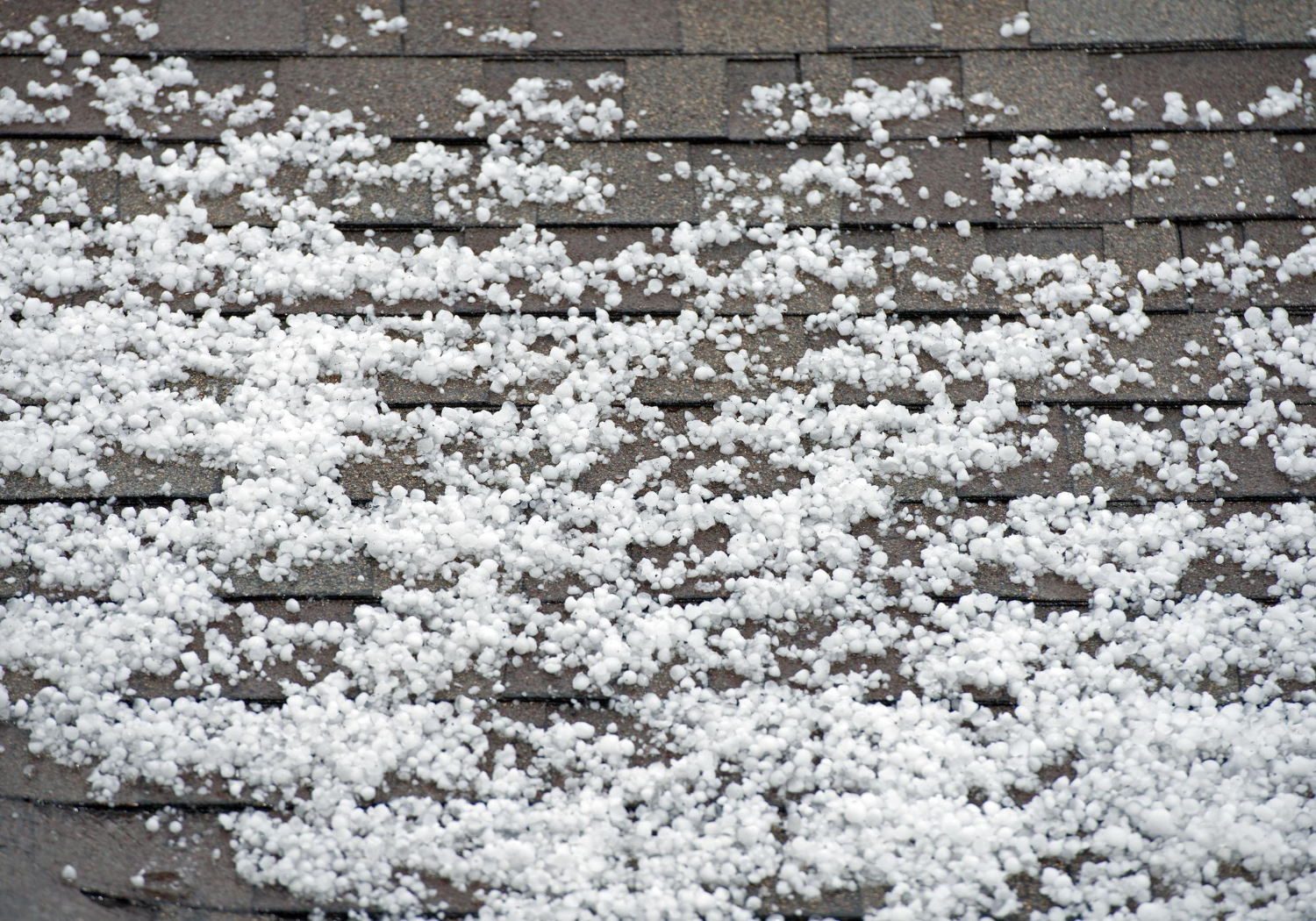
After a hailstorm rolls through Rapid City, the roof often takes the hardest hit. Once the hail damage roof repairs are finished, it’s tempting to move on and stop thinking about it. But that’s not always the best move. Cold weather, quick warmups, and another round of storms can all test fresh repair work.
Getting the repairs done is just the first step. Checking what’s around it, watching how the roof settles, and planning for the rest of the season can help the repairs last. It also keeps small issues from turning into bigger ones during early spring.
Check Surrounding Areas for Missed Damage
After repairs, it’s easy to assume the whole job is finished. But hail doesn’t always limit its damage to the roof decking or shingles.
• Look at gutters and downspouts. Dents can affect how water flows or even loosen fasteners.
• Examine the siding near roof lines, especially where metal flashing or trim meets the wall.
• Attic vents, drip edges, and roof boots might’ve taken hits too, leaving small holes or cracks.
• Even fascia boards can split or warp when hit hard.
A second look at these areas can uncover small damage that didn’t show up during the first visit. If these flaws are left untreated, water could sneak in over time. It’s a good habit to go beyond the shingle surface and get eyes on anything close to where the hail struck.
RainTite Roofing & Construction offers comprehensive hail damage roof repairs, including assessment of gutters, vents, and flashing alongside roof surface repairs. We work with homeowners and insurance companies to ensure damage is completely addressed, and all repairs are built to withstand future storms in Rapid City.
Monitor the Repaired Sections After the Next Freeze or Rain
Rapid City weather likes to keep people guessing. One day it’s sunny, the next it’s bitter cold with freezing wind. We know that kind of swing can shift roofing materials, especially ones that were just replaced or patched.
• Pay attention to new materials after the first rain or snowmelt.
• Watch for lingering moisture under eaves or dark marks on ceilings.
• Check for roofing nails or flashing that seem looser or more visible than before.
Heavy wind after repairs can also lift new shingles if the seal hasn’t set properly. A quick walk around the outside of your home or a peek up from inside the attic can spot issues early. Most people don’t need to get on a ladder, but they do benefit from staying alert.
Schedule a Late-Winter or Early-Spring Follow-Up
A short follow-up inspection can make all the difference. Repaired roofs need time to settle in, and Rapid City’s freeze-thaw conditions don’t always let that happen smoothly.
• Scheduling a check between late February and early March gives everything time to shift.
• This kind of visit doesn’t need to be long, just a pass to see how the fixes are holding.
• It’s also a great time to inspect vulnerable spots before spring’s heavy rain or wind.
Even well-done repairs can lift or crack when weather changes fast. A small issue often costs less and takes less time to fix if it’s found now rather than weeks later when the forecast turns wet again.
Review Roof History and Long-Term Needs
One of the most helpful things homeowners can do is keep track of what’s been done. After repairs, write down what type of damage was there, what was fixed, and when.
• Keep a folder or digital note with repair dates and which areas were involved.
• If hail hits again next season, having that history makes it easier to spot repeated damage.
• It’s also good information to hand off if inspectors or insurance ask questions later.
Some parts of a roof take more repeated hits than others. A repair history can help reveal that pattern. Over time, it also helps guide decisions about upgrades or replacements so you’re not guessing which part needs attention next.
Know What to Expect with Rapid City’s Late-Winter Weather
February and March have a habit of flipping from winter to spring and back again. In Rapid City, that often means fresh wind gusts, leftover snow, and sudden slush from melting. These kinds of changes don’t make things easy on a newly repaired roof.
• Fresh sealants or adhesives might not stay put during daily temperature swings.
• Ice that melts and re-freezes can creep into spots that weren’t a problem earlier.
• Gusts of wind tug on anything loose, especially in high corners or along edges.
Knowing what’s likely helps homeowners watch the right areas and time check-ins without waiting until water shows up inside. Staying aware doesn’t mean being on edge, it just means being realistic about what comes next.
Keep a Strong Roof Going Into Spring
After hail damage roof repairs, what you do next affects how well the work holds up. A repaired roof can still face pressure, and that stress often shows up in the first weeks after the job’s done.
• Look beyond the roof itself, gutters, vents, and siding might need light repair too.
• Give fresh patches and seals time, but don’t ignore early signs like leaks or loose edges.
• Make room on the calendar for one more look before spring storms pick up.
Keeping an eye on things now helps you avoid calling again when it’s already pouring. Taking a little time after hail repairs means the roof is ready to take on whatever Rapid City weather throws at it next. It’s not about being worriesome or checking every day, just being smart about the timing. Roofs don’t need hours of watching, just the right kind of attention at the right time.
Now’s the perfect time to stay prepared for whatever winter weather in Rapid City brings your way. At RainTite Roofing & Construction, we help homeowners recognize early signs of roof issues that can reappear as conditions change. Staying proactive by monitoring recent repairs, checking nearby features like gutters and vents, and scheduling a quick follow-up before spring storms is always a smart move. For peace of mind and expert support in keeping your roof protected after hail damage roof repairs, call us today.