
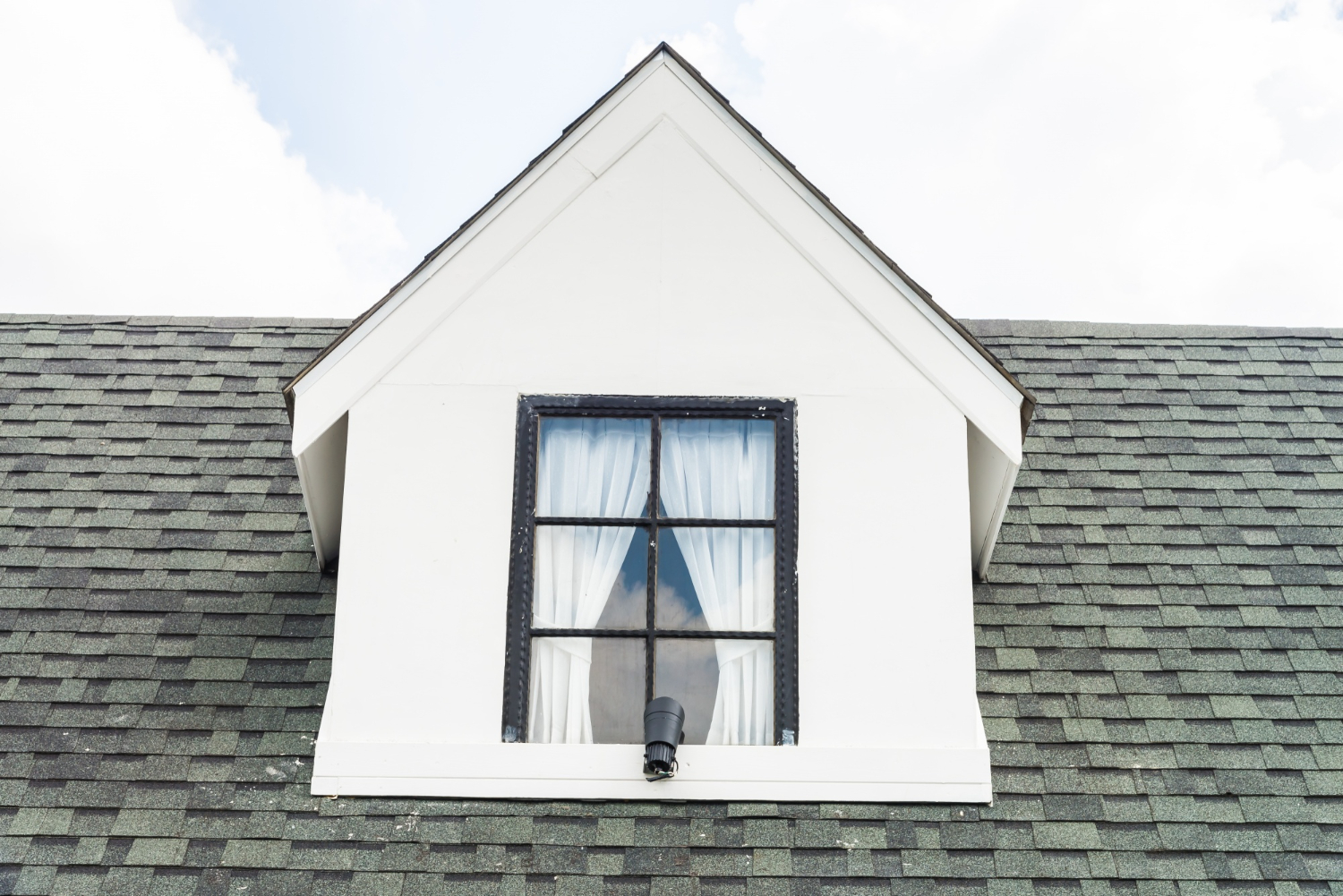
Cold weather hits hard in Rapid City, and your roof takes the brunt of it. Snow piles up, temperatures rollercoaster between freezing and thawing, and hidden weak spots suddenly become big issues. One spot that tends to get overlooked until there’s a problem is the flashing. Flashing is the thin metal installed around roof features like chimneys, vents, skylights, and the roof’s edges. Its job is to keep water out. When flashing gets damaged or pulled loose, that barrier fades away and leaks find their way inside quickly.
Understanding why roof flashing tends to fail during the winter helps you catch problems early. Not every roof issue comes down to missing shingles or heavy snow. Sometimes, it’s the small metal seals that give out first. Knowing what causes flashing to bend, break, or pull away in the cold is the first step in stopping weather-related damage before repairs get more serious and more expensive.
Common Causes Of Roof Flashing Failure In Winter
Once temperatures drop, your roof starts acting differently. One of the biggest stress points is where different materials meet. Metal flashing, asphalt shingles, and wooden decking all react to the cold in their own way. Here are some of the main reasons roof flashing tends to fail during winter months in places like Rapid City:
1. Temperature Shifts Cause Expansion And Contraction
Materials expand when they’re warm and shrink when they’re cold. This constant movement adds strain to flashing, especially at connection points. Over time, this back-and-forth motion can loosen fasteners or create small gaps that eventually let water through.
2. Ice Dams Build Up Around Roof Edges
When snow melts from heat escaping through the attic and then refreezes at the edge, it forms thick ridges of ice. These traps are called ice dams, and they block melting snow from properly draining. That water backs up under shingles and over the flashing, putting extra pressure on already stressed sections. It takes very little for that moisture to start sneaking past the metal edges and into the home.
3. Heavy Snow Causes Physical Damage
Snow that sits for a long time carries weight. It pushes down on roof surfaces and forces flashing to bend or pop out of place. Combine that with wind, sleet, or shifting snow loads from a slightly sloped roof, and suddenly the flashing becomes a weak link.
It’s easy to assume your roof is safe just because everything looks okay from the ground. But these factors often create problems that can’t be spotted without a close inspection or until water is already making its way in.
Signs That Your Roof Flashing Has Failed
If your roof flashing fails, the signs don’t always scream for attention right away. Sometimes they start small, like a tiny drip or a strange draft, and then grow into bigger headaches. Catching those early red flags means less stress and less money spent on repairs down the line.
Watch for these common signs:
– Water stains on ceilings or walls, especially near fireplaces, vents, or skylights
– Dripping sounds during snowmelt or after a cold rain
– Warped, bent, or missing flashing around roof features
– Pieces of metal or flashing found in the yard after a windy storm
– A sudden cold draft in one section of your home without any known air gaps
One homeowner in Rapid City noticed a brown water spot on their bedroom ceiling just after a heavy snowstorm. They thought it might be from a frozen pipe, but the real issue was a pop of flashing behind a rooftop vent. A roofing technician found it right away, but only after checking under snow and layers of shingles. That’s how tricky these problems can be to spot.
If you have even one of these signs, flashing damage might already be at play. Winter storms don’t wait, and neither does water. Early help can prevent bigger patch jobs once spring rolls in.
Preventative Measures To Protect Roof Flashing In Cold Weather
Cold temperatures alone don’t break your roof flashing, but small problems ignored over time can add up. Getting ahead of those issues is easier when you’re working with a roof that’s already in good shape. Even during the winter months in Rapid City, there are smart steps that help prevent flashing breakdowns and keep moisture out where it belongs.
It starts with proper installation. Flashing that isn’t sealed right or laid down in the correct pattern has a much higher chance of failing when the weather turns. Sealants that were applied years ago may have thinned out or cracked open, which often leads to fast trouble once ice and water come in contact with them.
Here are some simple ways to help lower the risk of flashing damage during the cold season:
– Schedule a roof inspection after major storms or long heavy snowfall events
– Remove snow buildup at the edges of the roof, where ice dams tend to form
– Make sure attic vents are cleared and airflow remains balanced to prevent trapped heat
– Keep an eye on ceilings and top-floor corners for early marks of water leaks
– Watch for loose or curling shingles that may expose flashing to wind and moisture
Never ignore small drafts or water spots during the winter. They’re often the first clue that something near the flashing isn’t holding up. Acting early lets professionals take care of the problem before it spreads into surrounding layers of your roof or attic.
How A Professional Hail Damage Roof Inspection Can Help
Anyone living through a Rapid City winter knows storms here don’t mess around. Cold air, gusty wind, and chunks of frozen precipitation can all slam into the roof during snow squalls or hailstorms. The problem is, hail doesn’t always leave a major dent you can spot from your driveway. The damage it causes to flashing is usually subtle, but once moisture finds a crack, it spreads quietly.
This is where a professional inspection after a storm matters. Trained eyes can spot things you’ll never notice from the ground. Loose flashing behind a chimney or a cracked seal around a vent boot might not pour water into the house right away, but they will if another storm rolls through.
A full roof inspection looks for more than just broken shingles or visible gaps. Experts check the hidden areas where winter damage tends to hide such as flashing seams, roof transitions, ventilation points, and angle breaks. By pinpointing damage early, they stop leaks from quietly advancing into your attic insulation, drywall, and framing.
Rather than wait for the telltale drip or spot on the ceiling, having someone inspect the roof after hail hits can catch problems before they take root. Like catching a small problem with your car early, it keeps roof repairs smaller and more affordable in the long run.
Keep Your Roof Safe This Winter
Flashing failure isn’t always dramatic. But the problems that come from it, like soaked ceilings, hidden mold, and rotted wood, can break the routine of home life during the coldest months. The good news is roof damage like this is often preventable with the right level of care and attention.
Understanding how snow, temperature swings, and hail affect your roof flashing prepares you to act sooner. Whether it’s an ice dam putting pressure where it shouldn’t or a small crack from wind-blown debris, the signs usually start small. Having flashing inspected when winter weather hits lets you fix issues before they turn into full-blown leaks. And that peace of mind during the stormy season is worth a lot.
For peace of mind and to keep your roof in top shape this winter, consider scheduling a hail damage roof inspection. Catching small issues early prevents them from turning into significant repairs down the line. Contact RainTite Roofing & Construction for a thorough inspection and solutions to protect your home.