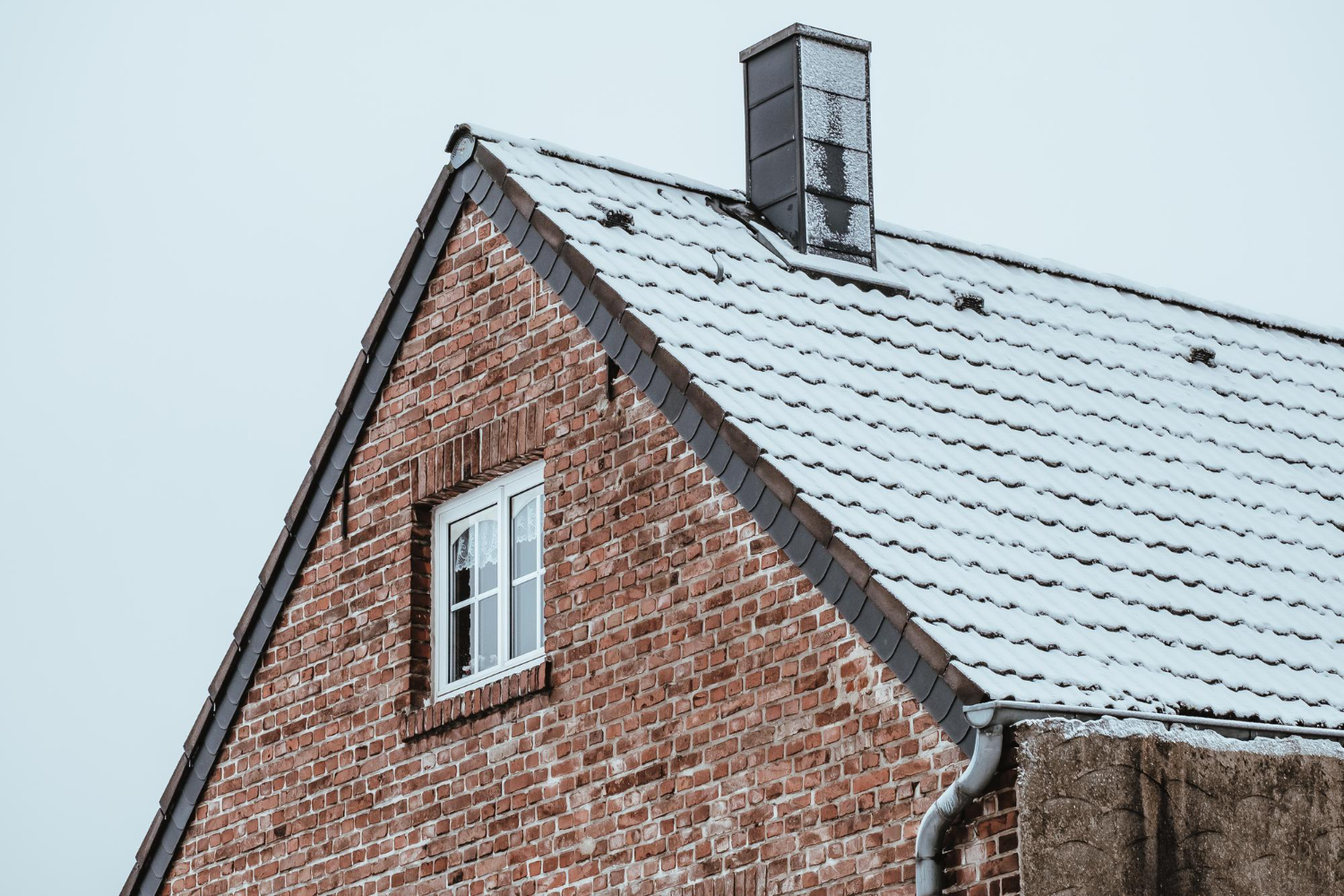
If you’ve ever walked outside on a cold winter morning in Rapid City and noticed frost collecting around your roof vents, you’re not alone. It’s a pretty common sight during the colder months, especially when temperatures drop overnight and your home’s warm air creeps up into the attic. While it might seem harmless at first, frost on roof vents can actually point to some underlying problems that are better handled sooner rather than later.
This type of frost doesn’t just show up for no reason. It usually means that something isn’t working quite right with your attic ventilation or insulation. And over time, that small patch of frost can lead to moisture problems, mold issues, or even damage to the inside of your roof. That’s why knowing what’s going on up there and how roof repair services can help fix it is worth your attention once winter grabs hold of the Black Hills region.
Causes Of Frost On Roof Vents
Most of the time, when you see frost on roof vents, it’s because of condensation. Warm air from inside your house carries moisture. When that moist air rises and escapes through the roof vents, it meets the cold winter air outside. The sudden drop in temperature causes the water vapor to turn into frost on the inside and outside of those vents.
If things stop there, you might not have much to worry about. The problem is, that frost doesn’t just stay frozen. When temperatures warm up during the day or even bump up slightly overnight, that frost begins to melt. Now you’ve got water droplets forming in your attic, and that’s never good, especially when wood framing and insulation are involved.
Here are a few reasons why frost builds up on roof vents more often than it should:
– Poor attic insulation: When the insulation in your attic is thin, uneven, or missing in some places, it can allow warm inside air to find its way up to the roof far too easily.
– Inadequate ventilation: Your attic needs a proper balance of air intake and outflow. Without it, the air gets trapped and has nowhere to go except through small cracks and vent outlets.
– High indoor humidity: Things like boiling food, long showers, and drying laundry inside the house can dump a surprising amount of moisture into the air. If that air ends up floating into the attic, frost becomes more likely.
– Gaps and leaks: Small cracks around light fixtures, vents, and attic hatches can let warm air leak out steadily over time, making condensation a regular visitor.
One example we see often is in older Rapid City homes where the attic hasn’t been updated or checked on in years. A homeowner might not even notice the frost until they spot a water stain on a ceiling or find mold growing in a corner. At that point, it’s clear something needs to be done.
Potential Problems From Frosted Roof Vents
Tiny frost crystals might not look like much, but when those melt and turn into water, they can lead to bigger problems. The moisture that builds up from melting frost can soak into insulation, wood framing, or drywall. If not taken care of fast enough, that can cause damage that costs a lot more to fix later.
Here are some of the problems that could show up:
– Roof damage: Too much moisture over time can rot the wooden parts of your roof. This weakens the structure and often means expensive repairs or even a full roof replacement.
– Mold and mildew: Where there’s moisture, mold usually follows. Once it gets into the attic’s insulation or wood beams, it spreads easily and can affect the air you breathe inside your home.
– Energy loss: If warm air is escaping through attic gaps, your heating system has to work harder to keep your house warm. This results in uneven temperatures and higher heating bills.
That patch of frost might seem harmless today, but it could be a warning sign of hidden problems waiting to surface. Because it’s not easy to spot from the ground, it helps to look out for signs like musty smells, damp insulation, or dark stains on your ceiling.
Solutions And Preventative Measures
Stopping frost buildup on roof vents before it turns into a bigger problem starts with a few changes in the attic. These changes help reduce the conditions that make frost form in the first place, especially when the temperatures drop in Rapid City.
One of the most effective ways to stop frost is checking your attic insulation. Good insulation keeps warm air from making its way into the attic space. If there are thin or missing spots, you’re more likely to have heat escape, which leads to more moisture and, eventually, frost on the vents. Sealing drafty areas and improving insulation coverage helps create a thermal barrier that keeps the attic dry.
Attic ventilation is just as important. You want fresh air to enter through soffit vents and exit through ridge vents. That steady movement of air helps carry away the moisture. When ventilation is unbalanced or blocked, the attic turns into a trap for humidity. This moisture hangs around and ends up causing frost when the roof vents cool down.
Here are a few other ways to reduce the risk of frost buildup:
– Add or upgrade attic insulation where it’s lacking
– Check that intake and exhaust vents are clear and balanced
– Seal up any gaps or cracks around attic doors, light fixtures, or pipes
– Use fans in the bathroom and kitchen to move moisture outside
– Set up roof inspections once or twice a year to catch problems early
While these fixes don’t stop every single potential issue right away, they go a long way in keeping frost off your vents and water out of your attic.
When To Call In Professional Help
Some warning signs tell you it’s time to call for professional help. If you’re seeing repeated frost buildup, that’s a clue that something in the attic isn’t working as it should. Professionals can check things out before the situation gets worse and expensive repairs are needed.
High on the list of symptoms is moisture around ceiling light fixtures. Other signs include clumped or damp insulation and mildew smells in the upstairs rooms. If you’re noticing peeling paint or new water spots on interior walls or ceilings, those are strong indicators that moisture from the attic is working its way inside the home.
Watch out for these red flags:
– Ice poking out of vent caps or forming icicles nearby
– Frost returning even after trying to lower indoor humidity
– Hot and cold spots upstairs that weren’t there before
– Condensation forming under the roof deck itself
If a problem does cause serious damage, having a paper trail helps with insurance claims. That means taking photos, writing down what you see and when it started, and calling a professional to inspect. Roofing crews can offer you a thorough checkup along with documents you may need for a claim.
Keeping Your Roof Vents Frost-Free This Winter
Frost on your roof vents might seem like a minor issue in the middle of winter, but it has a way of creeping into something bigger if it stays unchecked. Moisture in your attic can lead to mold growth, damaged insulation, and even roof rot. These issues not only mess with your home’s comfort but also your wallet.
The good news is that most of these frost-related problems are preventable. Keep attic insulation in good shape, let in the right amount of ventilation, and stay on top of regular roof checkups. When things don’t feel quite right or moisture starts popping up where it shouldn’t, don’t wait for it to clear itself up. Reach out to professionals who know what to look for and how to fix it.
Winter in Rapid City is tough enough without unknown attic problems. Stay alert to the signs, and take action before minor frost turns major. A dry, balanced attic means a stronger, safer home no matter how cold it gets outside.
Ensure your home stays warm and dry this winter by addressing frosted roof vent issues before they escalate. Keep an eye on those warning signs and don’t wait to bring in the pros when needed. Trust RainTite Roofing & Construction to handle your roof repair services in Rapid City with the experience and care your home deserves.